Tempura Sauce Recipe: The Secret to Restaurant-Quality Dipping
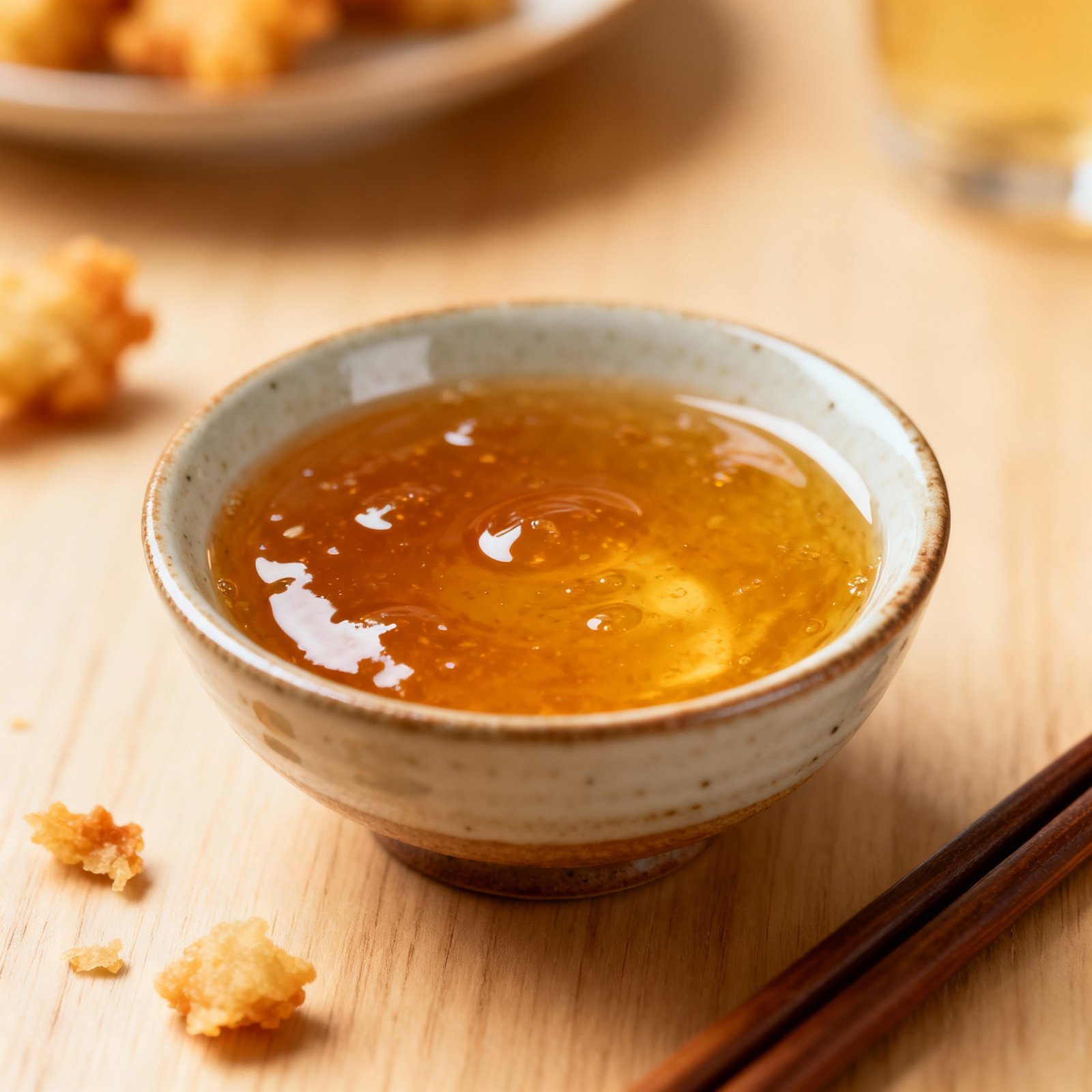
Crispy, light-as-air tempura is a culinary delight, but let’s be honest, it’s the accompanying sauce that truly elevates the experience. That perfect balance of sweet, savory, and subtly umami flavors is what keeps you coming back for more. Forget the pre-made bottles – this tempura sauce recipe is incredibly easy to make at home, using simple ingredients you probably already have in your pantry. Prepare to be amazed at how much better your homemade (or even store-bought!) tempura tastes with this authentic and utterly delicious dipping sauce. Get ready to unlock the secret to restaurant-quality tempura in your own kitchen!
Why This Recipe Works
This recipe isn’t just a random collection of ingredients; it’s carefully crafted to achieve the perfect balance of flavors that defines authentic tempura sauce, also known as tentsuyu. Here’s why it works so well:
- Dashi Base: Dashi is the cornerstone of Japanese cuisine, providing a deep, savory umami flavor that’s essential for tempura sauce. We use instant dashi powder for convenience, but you can absolutely use homemade dashi for an even more authentic taste.
- Soy Sauce (Shoyu): Soy sauce contributes saltiness and umami, grounding the other flavors and adding depth. Japanese soy sauce is preferred for its delicate flavor.
- Mirin: Mirin is a sweet rice wine that adds sweetness and a subtle tang, balancing the saltiness of the soy sauce and the umami of the dashi. It also adds a beautiful sheen to the sauce.
- Sugar: A touch of sugar enhances the sweetness of the mirin and helps to create a harmonious flavor profile.
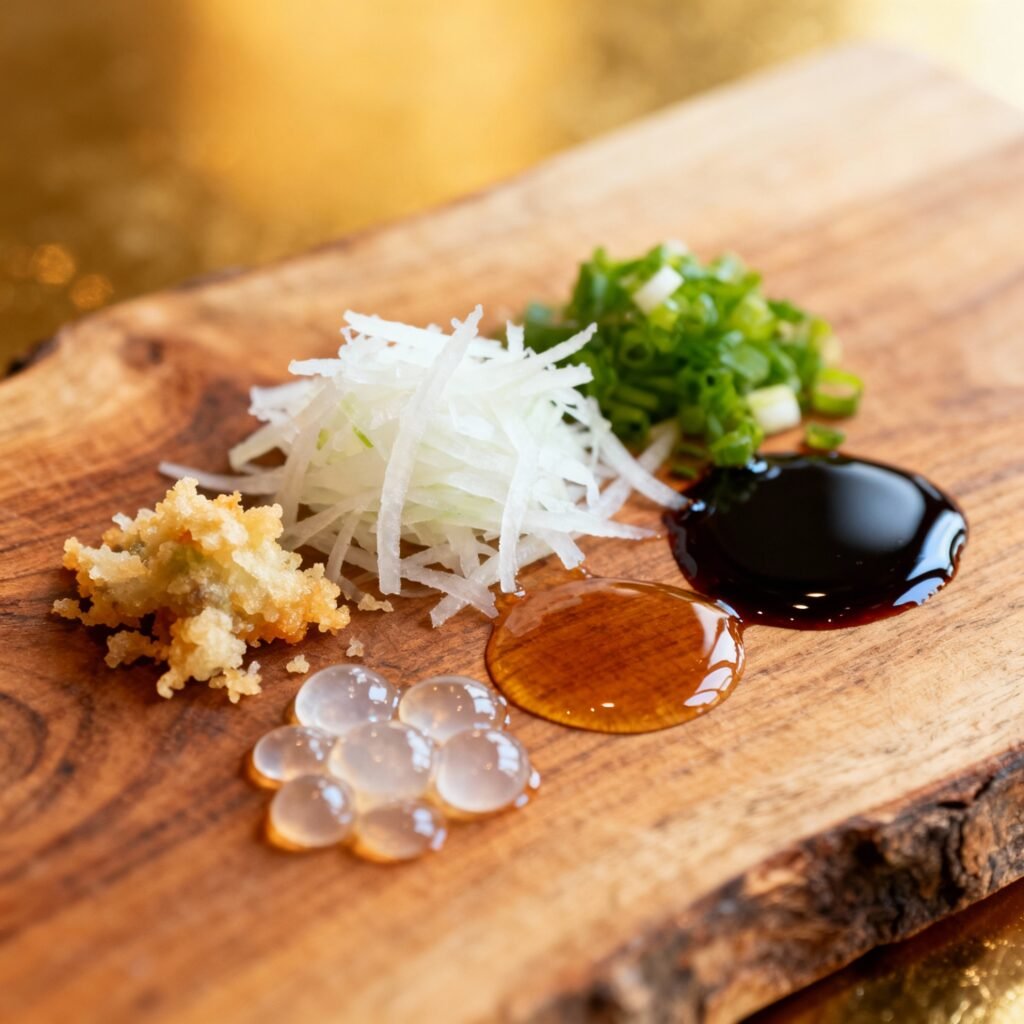
- Optional Add-ins: Grated daikon radish and ginger are traditional accompaniments to tempura sauce. The daikon radish provides a refreshing, slightly peppery flavor that cuts through the richness of the tempura, while the ginger adds a warm, spicy note.
Ingredients
- 1 cup dashi (made with 1 cup water and 1 teaspoon instant dashi powder, or homemade)
- 1/4 cup soy sauce (Japanese soy sauce preferred)
- 1/4 cup mirin
- 1 tablespoon sugar
- Optional: 1/4 cup grated daikon radish
- Optional: 1 teaspoon grated ginger
Instructions
- Prepare the Dashi (if using instant): If using instant dashi powder, combine 1 cup of water and 1 teaspoon of dashi powder in a small saucepan. Bring to a simmer over medium heat, stirring until the powder is dissolved. Remove from heat. If using homemade dashi, simply measure out 1 cup.
- Combine Ingredients: In the same saucepan, combine the dashi, soy sauce, mirin, and sugar.
- Simmer the Sauce: Bring the mixture to a gentle simmer over medium heat. Stir occasionally until the sugar is completely dissolved.
- Cool and Serve: Remove the saucepan from the heat and let the sauce cool slightly. The flavor will deepen as it cools.
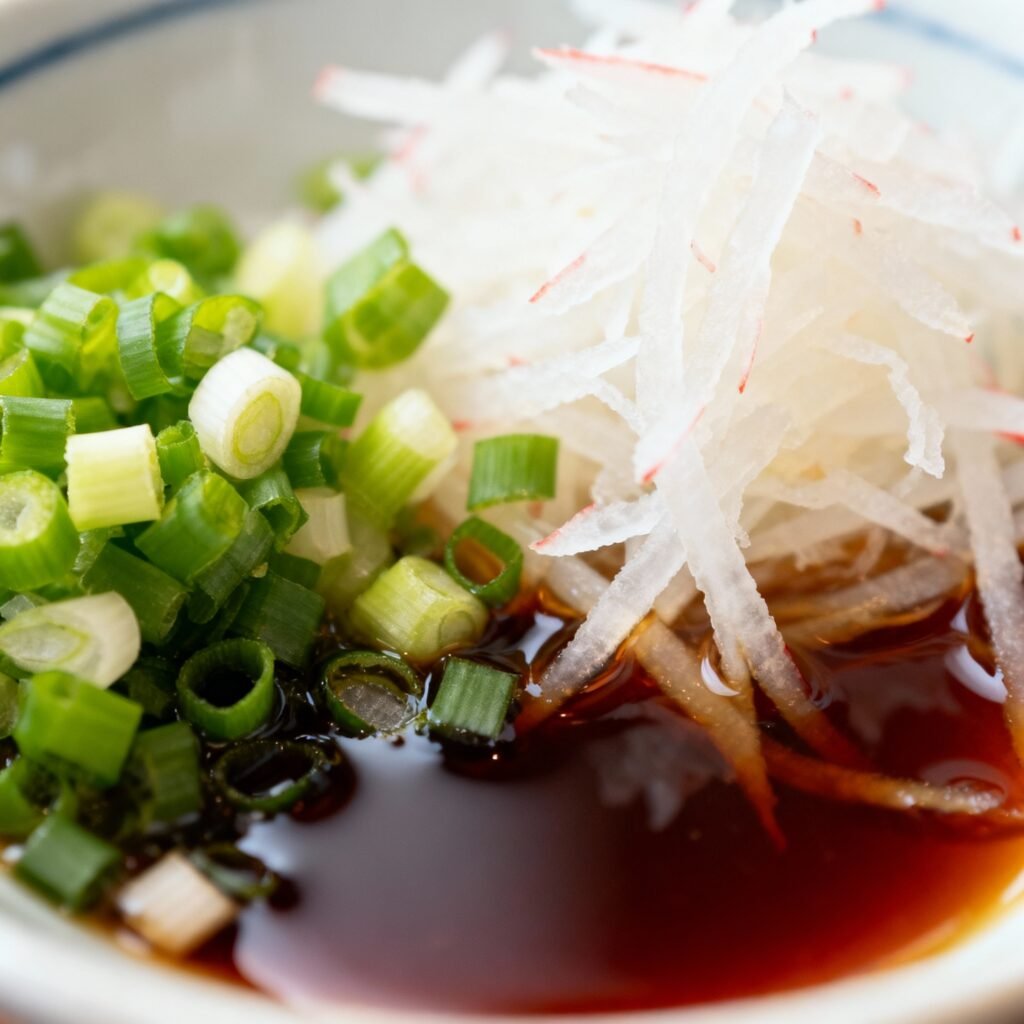
- Add Optional Garnishes: Just before serving, divide the sauce into individual dipping bowls. Add grated daikon radish and grated ginger to each bowl, if desired.
- Enjoy! Serve immediately with your favorite tempura.
Tips for Success
Making tempura sauce is simple, but these tips will help you achieve the best possible results:
- Use Quality Ingredients: The quality of your ingredients will directly impact the flavor of the sauce. Opt for Japanese soy sauce and good-quality mirin for the most authentic taste.
- Don’t Overcook: Avoid boiling the sauce, as this can cause the mirin to evaporate and the sugar to caramelize, resulting in a sauce that is too sweet and thick. A gentle simmer is all you need.
- Adjust to Taste: This recipe is a starting point. Feel free to adjust the sweetness and saltiness to your liking. Add a little more sugar for a sweeter sauce, or a little more soy sauce for a saltier sauce.
- Freshly Grated Daikon and Ginger: Use freshly grated daikon radish and ginger for the best flavor and aroma. Pre-grated options often lack the vibrancy of freshly grated ingredients.
- Strain for a Smoother Sauce: If you prefer a smoother sauce without any bits of daikon radish or ginger, you can strain the sauce through a fine-mesh sieve after simmering.
- Make Ahead: Tempura sauce can be made ahead of time and stored in the refrigerator for several days. The flavors will actually meld and deepen over time.
Storage Instructions
Store leftover tempura sauce in an airtight container in the refrigerator for up to 5 days. The flavors will continue to develop and meld together over time. You can reheat the sauce gently in the microwave or on the stovetop before serving, but it’s also delicious served cold or at room temperature.
FAQ
Q: Can I use regular soy sauce instead of Japanese soy sauce?
A: While you can use regular soy sauce, Japanese soy sauce is preferred for its more delicate and nuanced flavor. Regular soy sauce can be a bit too harsh and salty for this recipe. If you do use it, start with a smaller amount and adjust to taste.
Q: Can I make this recipe without mirin?
A: Mirin is a key ingredient in tempura sauce, providing sweetness and a subtle tang. If you don’t have mirin, you can substitute it with a mixture of sake (or dry sherry) and sugar. Use 1/4 cup sake (or dry sherry) and 1 teaspoon of sugar to replace 1/4 cup of mirin.
Q: What if I don’t have dashi powder?
A: If you don’t have dashi powder, you can use vegetable broth or chicken broth as a substitute, although the flavor will be slightly different. You can also try making your own dashi from scratch using kombu (dried kelp) and katsuobushi (dried bonito flakes).
Q: Can I make a large batch of this sauce and freeze it?
A: While you can freeze tempura sauce, the texture may change slightly upon thawing. The sauce may become a bit watery. If you do freeze it, be sure to store it in an airtight container and thaw it completely in the refrigerator before using. Whisk well before serving.
Q: What else can I use this sauce for?
A: This tempura sauce is incredibly versatile! You can use it as a dipping sauce for other fried foods, such as vegetables, tofu, or even chicken. It’s also delicious drizzled over rice bowls or used as a marinade for fish or chicken.
Conclusion
With this easy and authentic tempura sauce recipe, you can finally recreate that restaurant-quality dipping experience at home. The perfect balance of sweet, savory, and umami flavors will elevate your tempura to new heights. So, ditch the store-bought bottles and give this recipe a try – you won’t be disappointed! Enjoy!