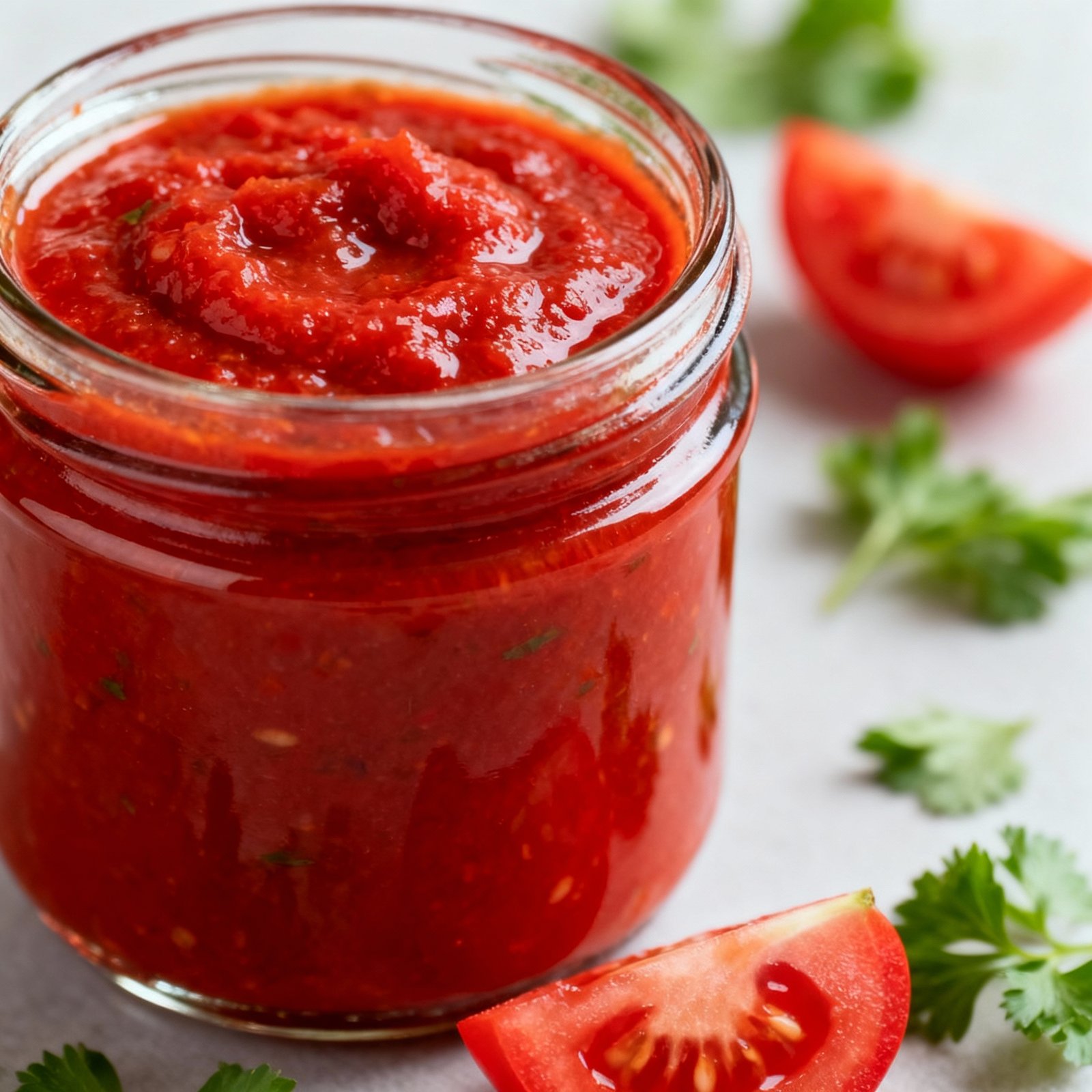
Tomato Chutney Recipe: Bursting with Flavor!
Imagine a vibrant, tangy, and slightly sweet condiment that elevates everything from grilled cheese sandwiches to roasted meats. That’s exactly what this tomato chutney recipe delivers! Forget bland, store-bought options – this homemade version is packed with fresh tomatoes, warming spices, and a touch of sweetness, creating a flavor explosion that will tantalize your taste buds. It’s incredibly versatile, surprisingly easy to make, and guaranteed to become a staple in your kitchen. Get ready to transform ordinary meals into extraordinary culinary experiences with this delightful tomato chutney!
Why This Recipe Works
This recipe isn’t just about throwing ingredients together; it’s carefully crafted to achieve the perfect balance of flavors and textures. Here’s why it works so well:
- The Right Tomatoes: Using ripe, flavorful tomatoes is crucial. Roma or plum tomatoes are ideal because they have a meaty texture and fewer seeds, resulting in a thicker, richer chutney. But don’t be afraid to experiment with other varieties!
- Spice Harmony: A blend of warming spices like ginger, garlic, and chili flakes adds depth and complexity without overpowering the natural sweetness of the tomatoes. The subtle heat provides a delightful kick.
- Sweet and Sour Balance: The addition of vinegar and sugar creates a sweet and sour profile that is characteristic of a good chutney. The vinegar also helps to preserve the chutney.
- Slow Cooking Magic: Slow cooking allows the flavors to meld together beautifully, resulting in a chutney that is rich, complex, and incredibly delicious. It also helps to break down the tomatoes, creating a smooth and spreadable texture.
- Versatile Applications: This chutney is incredibly versatile. It can be served as a condiment, a spread, or even as a cooking ingredient, making it a must-have in any kitchen.
Ingredients
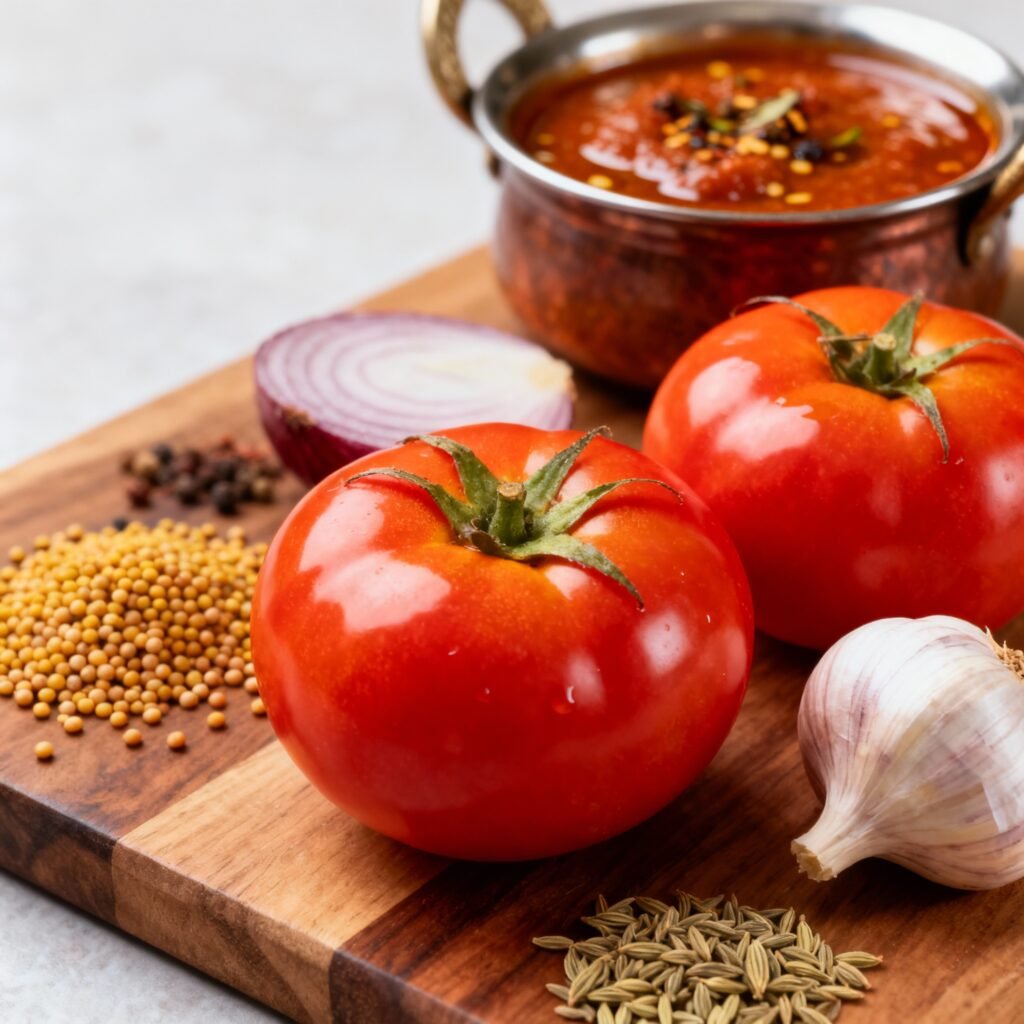
- 2 lbs ripe tomatoes (Roma or Plum recommended), chopped
- 1 large onion, finely chopped
- 2 cloves garlic, minced
- 1 inch ginger, grated
- 1/2 cup apple cider vinegar (or white vinegar)
- 1/2 cup granulated sugar (or brown sugar for a richer flavor)
- 1/4 cup raisins (optional, for added sweetness and texture)
- 1/2 teaspoon red pepper flakes (adjust to taste)
- 1 teaspoon ground cumin
- 1/2 teaspoon ground coriander
- 1/4 teaspoon ground turmeric
- 1/4 teaspoon ground cinnamon (optional, for warmth)
- 1/4 cup vegetable oil (or olive oil)
- Salt and pepper to taste
Instructions
- Prepare the Tomatoes: Wash and chop the tomatoes into small pieces. If using Roma or plum tomatoes, you can remove some of the seeds if desired, but it’s not essential.
- Sauté the Aromatics: Heat the oil in a large, heavy-bottomed pot or Dutch oven over medium heat. Add the chopped onion and sauté until softened and translucent, about 5-7 minutes.
- Add Garlic and Ginger: Add the minced garlic and grated ginger to the pot and sauté for another minute, until fragrant. Be careful not to burn the garlic.
- Incorporate the Spices: Stir in the red pepper flakes, cumin, coriander, turmeric, and cinnamon (if using). Cook for another minute, stirring constantly, to bloom the spices and release their flavors.
- Add the Tomatoes: Add the chopped tomatoes to the pot and stir well to combine with the spices and aromatics.
- Add Vinegar, Sugar, and Raisins: Pour in the apple cider vinegar and sugar. Add the raisins, if using. Stir well to dissolve the sugar.
- Simmer and Reduce: Bring the mixture to a simmer, then reduce the heat to low. Cover the pot and simmer for at least 1 hour, or up to 2 hours, stirring occasionally to prevent sticking. The chutney should thicken and the tomatoes should break down significantly.
- Check Consistency and Seasoning: After simmering, remove the lid and continue to simmer for another 15-30 minutes, or until the chutney reaches your desired consistency. Stir frequently to prevent sticking and burning. Taste and adjust the seasoning with salt and pepper as needed. You may also add a little more sugar or vinegar to balance the flavors to your liking.
- Blend (Optional): If you prefer a smoother chutney, you can use an immersion blender to blend it to your desired consistency. Be careful when blending hot liquids.
- Cool and Store: Remove the chutney from the heat and let it cool completely before transferring it to sterilized jars.
Tips for Success
- Tomato Quality Matters: Use the best quality, ripest tomatoes you can find for the best flavor.
- Don’t Rush the Simmer: The slow simmering process is crucial for developing the rich, complex flavors of the chutney.
- Adjust the Spices: Feel free to adjust the amount of spices to your liking. If you prefer a spicier chutney, add more red pepper flakes.
- Sterilize Your Jars: Properly sterilizing your jars is essential for preserving the chutney and preventing spoilage.
- Use a Heavy-Bottomed Pot: A heavy-bottomed pot will help to prevent the chutney from sticking and burning.
- Stir Regularly: Stirring the chutney regularly during simmering will also help to prevent sticking and burning.
- Taste and Adjust: Taste the chutney throughout the cooking process and adjust the seasoning as needed.
Storage Instructions
To store your homemade tomato chutney:
- Refrigerate: Once cooled, transfer the chutney to airtight containers or sterilized jars and store in the refrigerator for up to 2 weeks.
- Freezing: For longer storage, you can freeze the chutney. Divide it into freezer-safe containers or bags, leaving some headspace for expansion. It can be frozen for up to 3 months. Thaw in the refrigerator overnight before using.
- Canning (Optional): For long-term storage at room temperature, you can can the chutney using proper canning techniques. Follow a tested and approved canning recipe to ensure safety.

FAQ
Q: Can I use canned tomatoes instead of fresh tomatoes?
A: While fresh tomatoes are preferred for the best flavor, you can use canned diced tomatoes in a pinch. Use approximately the same weight as fresh tomatoes and drain off any excess liquid.
Q: Can I make this chutney without sugar?
A: Yes, you can reduce or eliminate the sugar. However, keep in mind that the sugar helps to balance the acidity of the tomatoes and vinegar. If you omit the sugar, you may need to add a little more vinegar or lemon juice to achieve the desired flavor.
Q: What can I serve with tomato chutney?
A: Tomato chutney is incredibly versatile! It’s delicious with grilled cheese sandwiches, roasted meats, cheese boards, crackers, eggs, Indian dishes, and more. Get creative and experiment!
Q: My chutney is too watery. How can I thicken it?
A: Continue simmering the chutney uncovered over low heat, stirring frequently, until it reaches your desired consistency. You can also add a small amount of cornstarch slurry (1 tablespoon cornstarch mixed with 2 tablespoons cold water) to help thicken it.
Q: Can I use different types of vinegar?
A: Yes, you can experiment with different types of vinegar, such as white wine vinegar or balsamic vinegar. Each will impart a slightly different flavor to the chutney.
Conclusion
This tomato chutney recipe is a game-changer. It’s a flavor bomb that will elevate your meals and impress your friends and family. The combination of sweet, tangy, and spicy flavors is simply irresistible. So, gather your ingredients, follow the simple steps, and get ready to experience the magic of homemade tomato chutney. You won’t regret it!