Traditional Tiramisu Recipe: The Authentic Taste of Italy
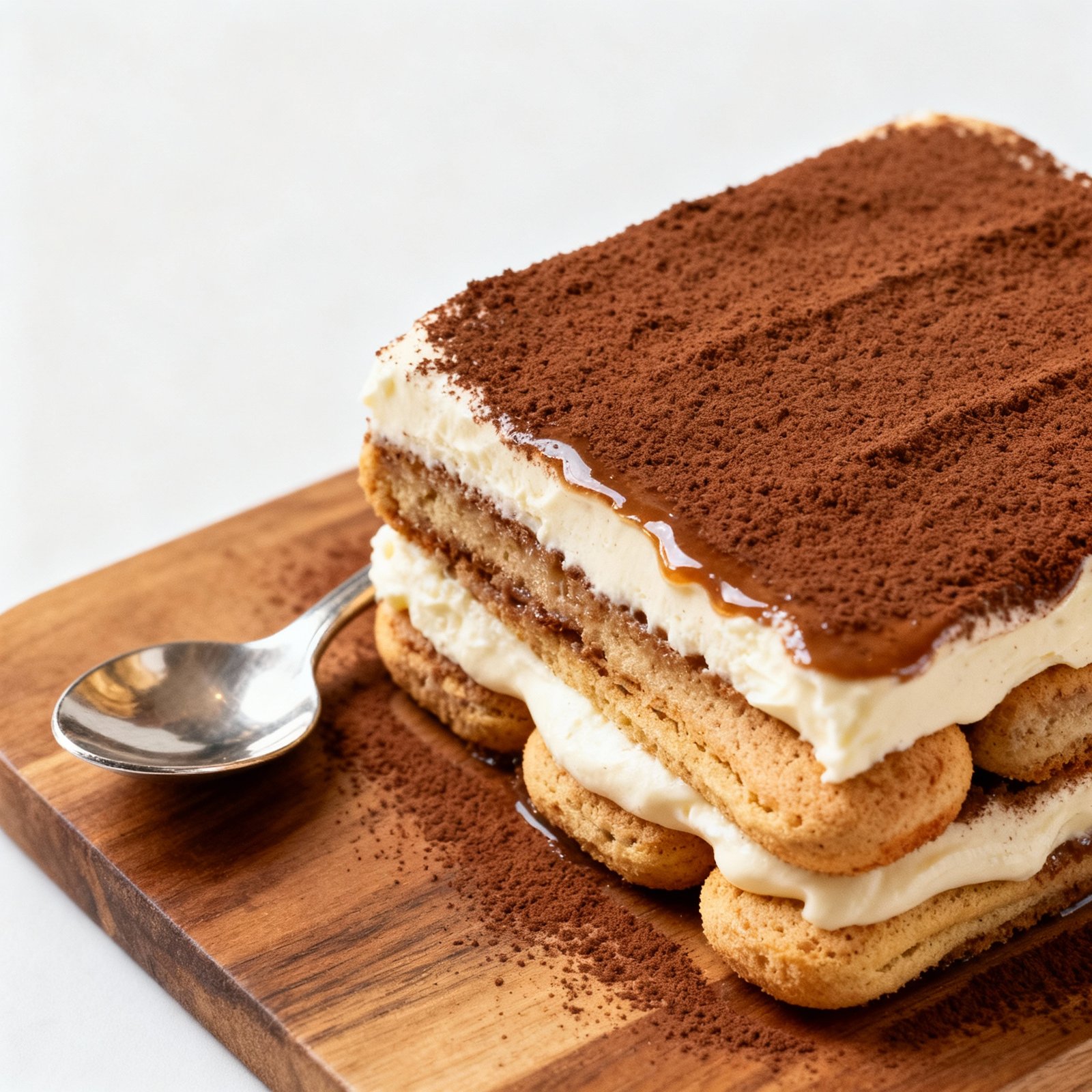
Tiramisu, meaning “pick me up” or “cheer me up” in Italian, is more than just a dessert; it’s an experience. Layers of coffee-soaked ladyfingers, creamy mascarpone, and a dusting of cocoa powder create a symphony of flavors and textures that have captivated palates worldwide. This recipe is for a truly traditional tiramisu, one that honors the original ingredients and techniques, delivering the authentic taste of Italy right to your kitchen. Forget the shortcuts and modern twists; this is about embracing the classic and creating a tiramisu that will transport you to a Venetian cafe.
Why This Recipe Works
This recipe focuses on simplicity and quality ingredients. Here’s why it’s a guaranteed success:
- Authentic Flavors: We use strong espresso coffee, high-quality mascarpone cheese, and real cocoa powder for an unparalleled depth of flavor.
- Perfect Ladyfinger Saturation: The key is to lightly soak the ladyfingers, ensuring they’re moist but not soggy. We’ll guide you on achieving the ideal level of coffee absorption.
- Stable and Creamy Mascarpone: Whipping the mascarpone with egg yolks and sugar creates a light and airy cream that holds its shape beautifully. We’ll show you how to avoid over-whipping.
- The Right Balance: The ratio of coffee, cream, and cocoa is carefully balanced to create a harmonious blend of bitter, sweet, and creamy.
- No Shortcuts: We skip the shortcuts and use time-tested techniques to achieve the best possible result. This is a labor of love, but the reward is well worth the effort.
Ingredients
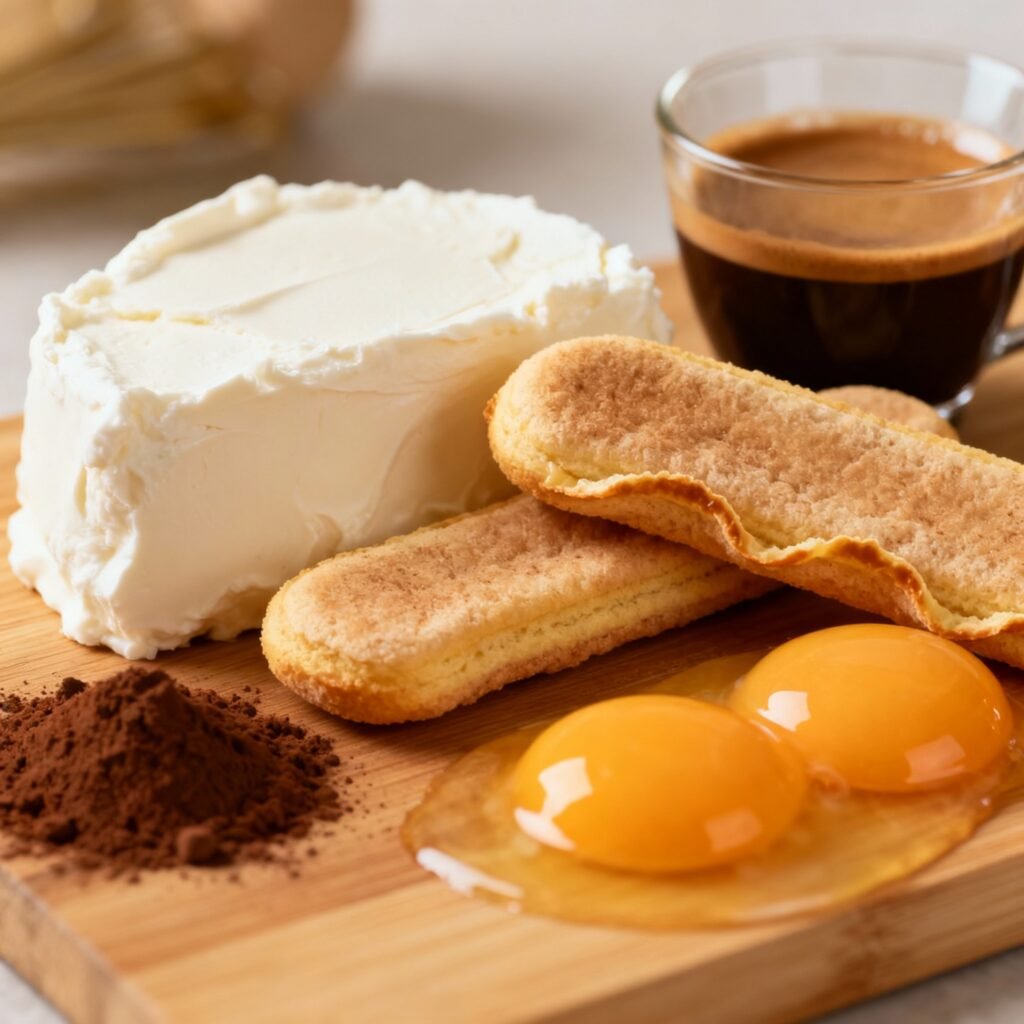
- Ladyfingers (Savoiardi): 24-30, depending on the size of your dish. Use the dry, crisp variety, not the soft cake-like ones.
- Espresso Coffee: 1 1/2 cups, strong and freshly brewed. Cool completely before using.
- Coffee Liqueur (Optional): 2 tablespoons, such as Kahlua or Tia Maria (can be added to the coffee).
- Mascarpone Cheese: 1 pound (500g), good quality, chilled.
- Eggs: 3 large, separated. Make sure they are very fresh.
- Granulated Sugar: 1/2 cup (100g).
- Unsweetened Cocoa Powder: For dusting.
- Pinch of Salt: To enhance the sweetness.
Instructions
- Prepare the Coffee: Brew the espresso and let it cool completely. If using, stir in the coffee liqueur. Pour the coffee into a shallow dish or pan.
- Separate the Eggs: Carefully separate the egg yolks and egg whites into two clean bowls.
- Whisk the Egg Yolks and Sugar: In the bowl with the egg yolks, add the sugar and a pinch of salt. Use an electric mixer to beat the yolks and sugar together until pale yellow and thick, about 3-5 minutes. This is crucial for a creamy texture.
- Incorporate the Mascarpone: Gently fold the mascarpone cheese into the egg yolk mixture until just combined. Be careful not to overmix, as this can cause the mascarpone to become grainy.
- Whip the Egg Whites: In the clean bowl with the egg whites, use an electric mixer to beat the egg whites until stiff peaks form. This will add lightness to the cream.
- Fold in the Egg Whites: Gently fold the whipped egg whites into the mascarpone mixture in two additions. Be careful not to deflate the egg whites; fold until just combined.
- Soak the Ladyfingers: Quickly dip each ladyfinger into the cooled coffee, soaking it for only 1-2 seconds per side. You want them to be moist but not soggy.
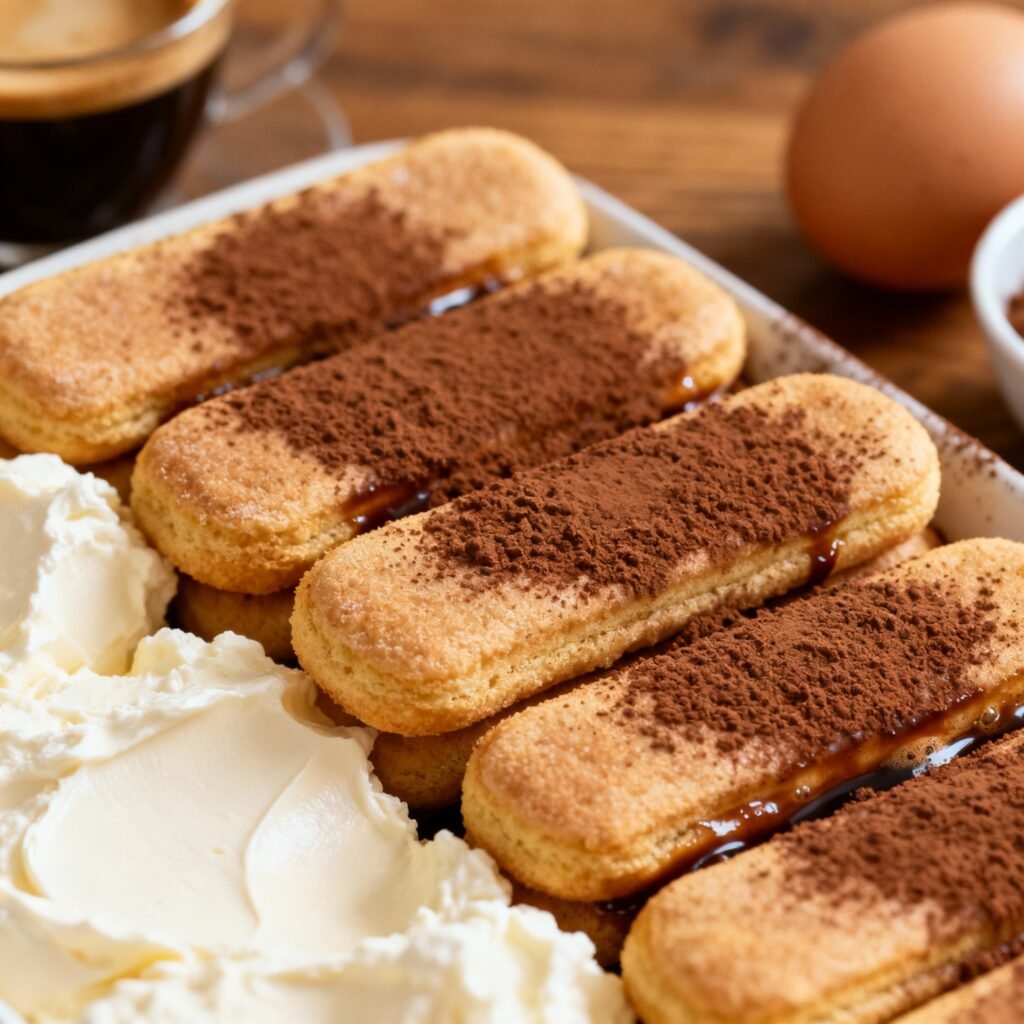
- Assemble the Tiramisu: Arrange a layer of coffee-soaked ladyfingers in the bottom of your serving dish (a 9×13 inch baking dish or individual ramekins work well).
- Spread the Mascarpone Cream: Spread half of the mascarpone cream evenly over the ladyfingers.
- Repeat Layers: Repeat with another layer of coffee-soaked ladyfingers and the remaining mascarpone cream.
- Dust with Cocoa Powder: Dust the top layer generously with unsweetened cocoa powder.
- Chill: Cover the tiramisu with plastic wrap and refrigerate for at least 4 hours, or preferably overnight. This allows the flavors to meld and the tiramisu to set properly.
- Serve: Before serving, dust with a fresh layer of cocoa powder if desired. Cut into squares or scoop into individual servings.
Tips for Success
- Use High-Quality Ingredients: The better the ingredients, the better the tiramisu. Don’t skimp on the mascarpone or the coffee.
- Don’t Oversoak the Ladyfingers: Soggy ladyfingers will ruin the texture of the tiramisu. A quick dip is all they need.
- Be Gentle When Folding: Overmixing the mascarpone cream or deflating the egg whites will result in a dense, less airy tiramisu.
- Chill Thoroughly: Chilling is essential for the flavors to develop and the tiramisu to set. Don’t rush this step.
- Use Fresh Eggs: Using fresh eggs is crucial, especially since this recipe uses raw eggs.
- Pasteurized Eggs: If you are concerned about using raw eggs, you can use pasteurized eggs. However, be aware that the texture may be slightly different.
- Experiment with Flavors: While this is a traditional recipe, feel free to experiment with different coffee liqueurs or add a touch of grated chocolate to the mascarpone cream.
Storage Instructions
Tiramisu should be stored in the refrigerator, covered tightly with plastic wrap. It will keep for up to 2-3 days. The ladyfingers will continue to soften over time, so it’s best enjoyed within the first couple of days.
FAQ
- Can I make tiramisu ahead of time? Yes, tiramisu is best made ahead of time! It allows the flavors to meld and the dessert to set properly.
- Can I freeze tiramisu? Freezing is not recommended as it can alter the texture of the mascarpone cream.
- Can I use instant coffee? While fresh espresso is ideal, you can use strong instant coffee as a substitute. Make sure it’s completely dissolved and cooled before using.
- What can I use instead of coffee liqueur? You can omit the coffee liqueur altogether or substitute it with a different liqueur, such as amaretto or rum.
- My mascarpone cream is too thick. What did I do wrong? You may have overmixed the mascarpone. Be gentle when folding in the egg whites.
- My ladyfingers are too soggy. What did I do wrong? You soaked the ladyfingers for too long. Dip them quickly, just long enough to moisten them.
Conclusion
This traditional tiramisu recipe is a testament to the power of simple ingredients and time-honored techniques. By following these instructions carefully, you’ll create a dessert that is both elegant and comforting, a true taste of Italy. So, gather your ingredients, put on some Italian music, and embark on a culinary journey that will “pick you up” and leave you wanting more. Buon appetito!