Turkish Baklava Recipe: The Crispiest, Most Delicious You’ll Ever Make
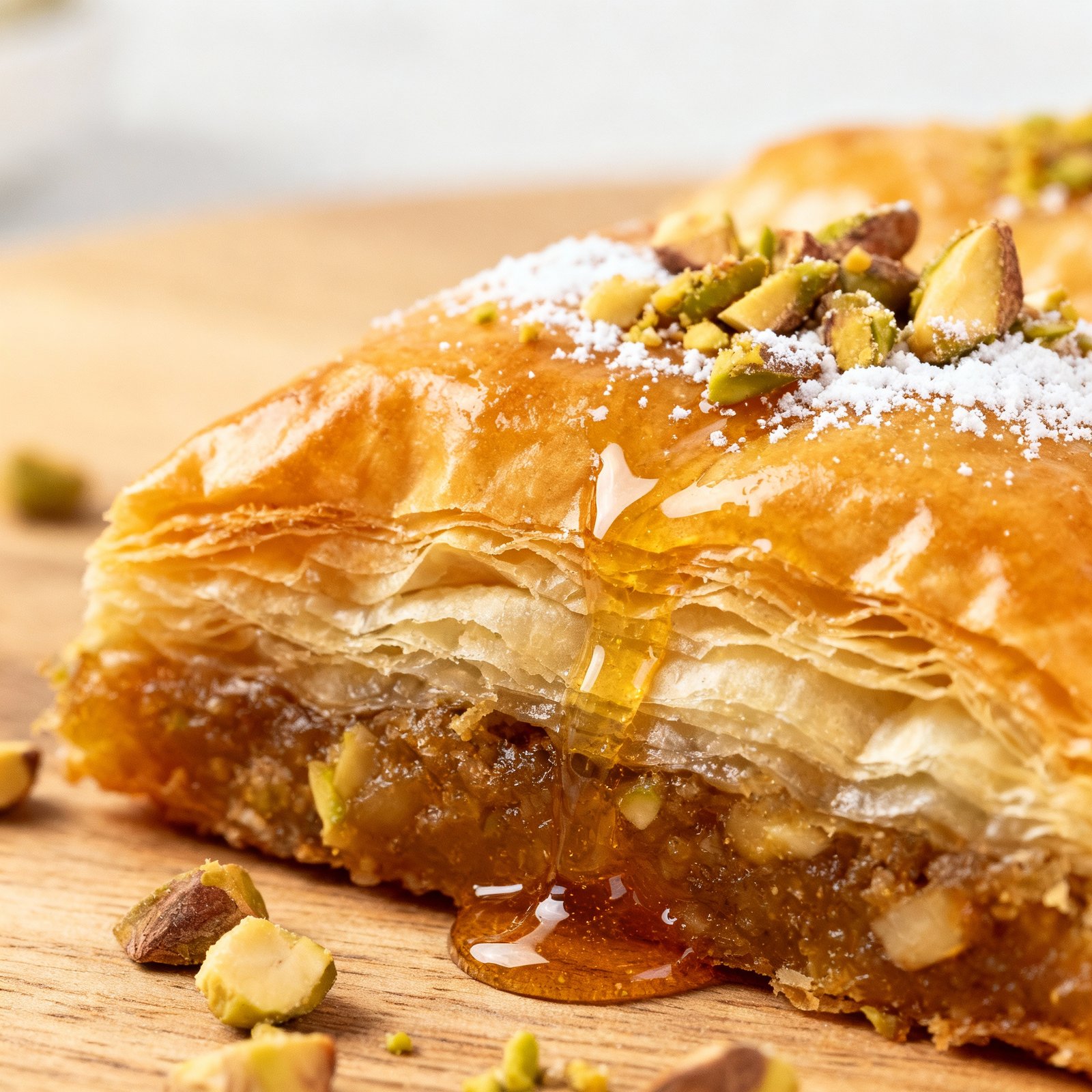
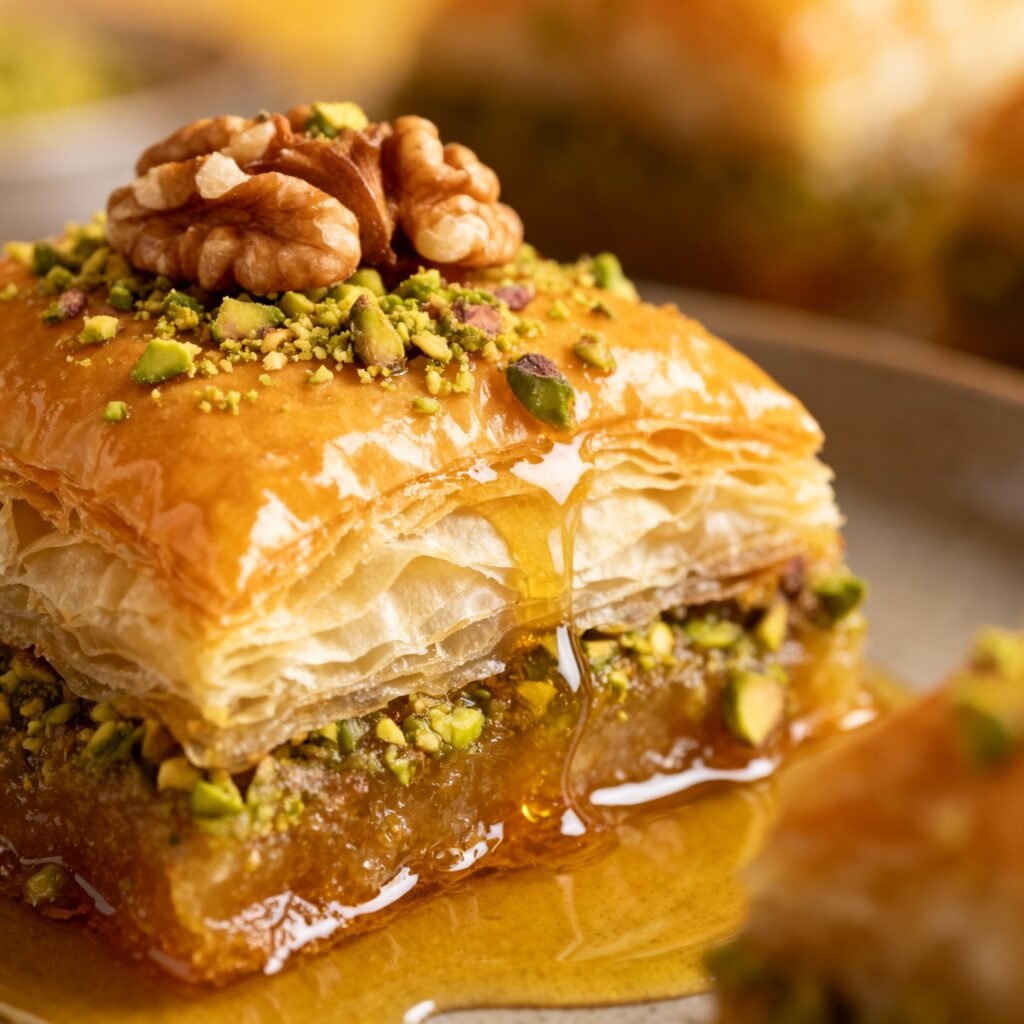
Baklava. The very word conjures images of golden, flaky layers, glistening with syrup, and perfumed with nuts and spices. This iconic dessert, a staple in Turkish cuisine and enjoyed throughout the Mediterranean and Middle East, can seem intimidating to make at home. But fear not! This recipe breaks down the process into manageable steps, guiding you to baklava perfection. Forget store-bought versions – with a little patience and this detailed guide, you’ll be serving up a truly authentic, melt-in-your-mouth Turkish baklava that will impress your family and friends. Get ready to embark on a sweet journey!
Why This Recipe Works
This recipe isn’t just a list of ingredients and instructions; it’s a roadmap to success. Here’s why it works:
- Detailed Instructions: Each step is explained clearly and concisely, leaving no room for guesswork.
- Emphasis on Quality Ingredients: We highlight the importance of using fresh, high-quality ingredients, especially the phyllo dough and nuts.
- Proper Buttering Technique: Achieving the signature flaky texture hinges on the buttering technique. We provide specific instructions for even distribution.
- Perfect Syrup Ratio: The syrup is the soul of baklava. This recipe ensures the perfect balance of sweetness and moisture, preventing a soggy or overly dry result.
- Baking Time and Temperature: We’ve tested and perfected the baking time and temperature to achieve a golden-brown color and crispy texture without burning.
Ingredients
- For the Baklava:
- 1 pound (450g) phyllo dough, thawed overnight in the refrigerator
- 1 ½ cups (3 sticks, 340g) unsalted butter, melted and clarified (see tips for clarification)
- 3 cups (300g) walnuts or pistachios, finely chopped
- 1 teaspoon ground cinnamon
- ½ teaspoon ground cloves
- For the Syrup:
- 2 cups (400g) granulated sugar
- 1 cup (240ml) water
- ¼ cup (60ml) honey
- 1 tablespoon lemon juice
- 1 teaspoon orange blossom water (optional)
Instructions
- Prepare the Nuts: In a bowl, combine the chopped walnuts or pistachios, cinnamon, and cloves. Mix well and set aside.
- Melt and Clarify the Butter: Melt the butter in a saucepan over low heat. Skim off the foam that rises to the top (milk solids) to clarify the butter. This prevents burning and adds to the crispness. Alternatively, use ghee.
- Prepare the Baking Dish: Grease a 9×13 inch (23x33cm) baking dish with melted clarified butter.
- Layer the Phyllo Dough:
- Carefully unroll the phyllo dough. Keep it covered with a damp (not wet!) kitchen towel to prevent it from drying out.
- Place one sheet of phyllo dough in the prepared baking dish. Brush generously with melted clarified butter.
- Repeat with 7-8 more sheets of phyllo dough, brushing each layer with butter. This base will be the thickest layer.
- Spread half of the nut mixture evenly over the buttered phyllo layers.
- Continue layering phyllo dough, brushing each sheet with butter, until you have used about half of the remaining phyllo.
- Spread the remaining nut mixture evenly over the phyllo layers.
- Top with the remaining phyllo dough, brushing each sheet generously with butter. Remember to keep the phyllo covered while you work!
- For the last 7-8 layers, brush each sheet with butter as before.
- Cut the Baklava: Use a sharp knife to cut the baklava into diamond or square shapes. Make sure to cut all the way through to the bottom layer. This step is crucial for the syrup to penetrate properly.
- Bake the Baklava: Preheat oven to 300°F (150°C). Bake for 60-75 minutes, or until golden brown and crispy. The baking time may vary depending on your oven, so keep a close eye on it.
- Prepare the Syrup: While the baklava is baking, prepare the syrup. In a saucepan, combine the sugar, water, and honey. Bring to a boil over medium heat, stirring until the sugar dissolves.
- Simmer the Syrup: Reduce the heat to low and simmer for 10-15 minutes, or until the syrup slightly thickens.
- Add Lemon Juice and Orange Blossom Water: Remove from heat and stir in the lemon juice and orange blossom water (if using).
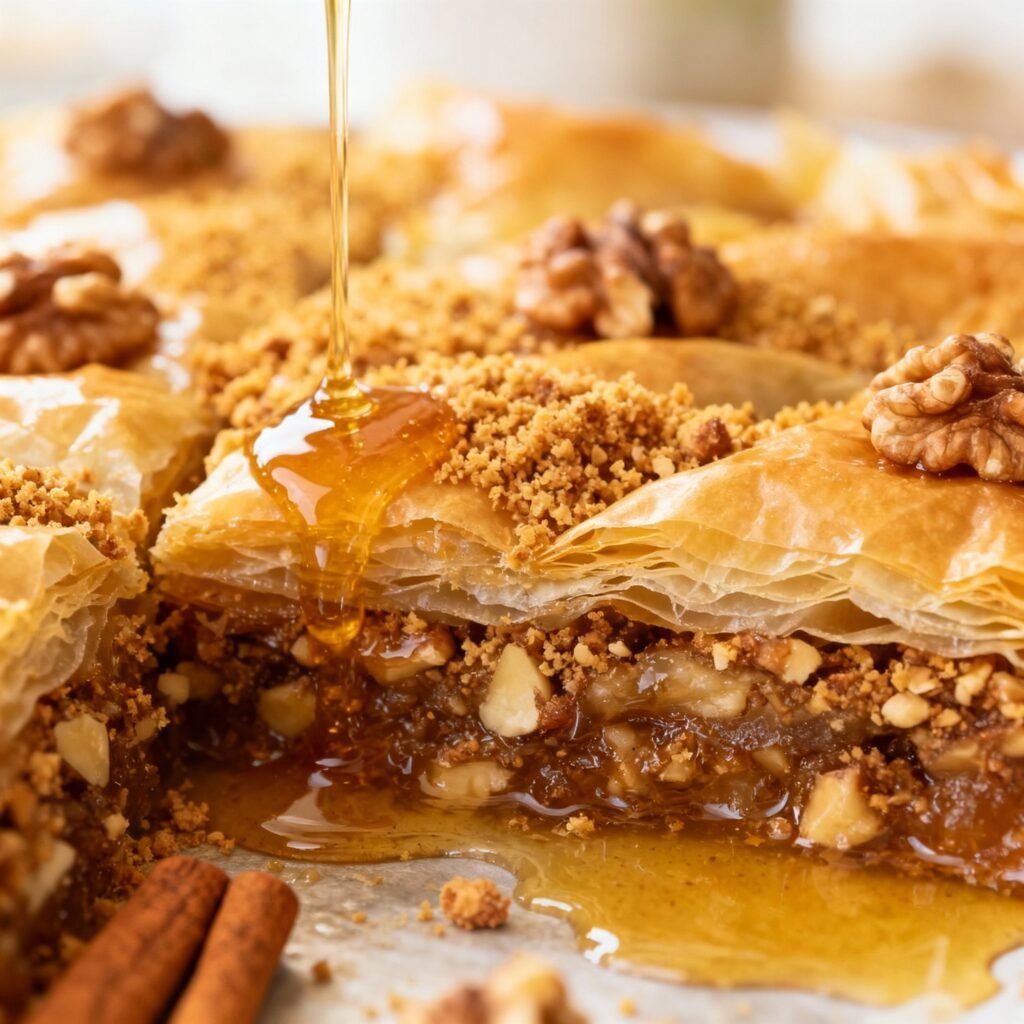
- Pour the Syrup: Once the baklava is out of the oven, immediately pour the hot syrup evenly over the hot baklava. The sizzling sound is a good sign!
- Let it Soak: Let the baklava cool completely for at least 4-6 hours, or preferably overnight, to allow the syrup to fully absorb. This is the most important step for achieving the perfect texture.
- Serve and Enjoy: Cut along the pre-cut lines and serve. Garnish with chopped pistachios, if desired.
Tips for Success
- Phyllo Dough Handling: Phyllo dough dries out quickly, so keep it covered with a damp kitchen towel at all times. If the dough tears, don’t worry, just patch it up with another piece.
- Butter Clarification: Clarifying the butter is essential for a crispy baklava. To clarify, melt the butter slowly over low heat. The milk solids will separate and rise to the top. Skim them off with a spoon and discard. The clear, golden liquid that remains is clarified butter.
- Cutting Technique: Use a very sharp knife to cut the baklava. A pizza cutter can also be helpful. Cut all the way through to the bottom layer before baking.
- Oven Temperature: Baking at a lower temperature for a longer time allows the phyllo dough to dry out and become crispy without burning.
- Hot Baklava, Hot Syrup: Pouring hot syrup over hot baklava allows the syrup to absorb properly, resulting in a perfectly moist and delicious dessert.
- Nut Variation: While walnuts and pistachios are traditional, you can experiment with other nuts like almonds or pecans.
Storage Instructions
Store leftover baklava in an airtight container at room temperature for up to 5 days. Avoid refrigerating it, as this can make the phyllo dough soggy.
FAQ
Q: Can I use store-bought baklava?
A: While convenient, store-bought baklava often lacks the freshness and flavor of homemade. This recipe provides a rewarding experience and a superior result.
Q: Can I freeze baklava?
A: Yes, you can freeze baklava. Wrap it tightly in plastic wrap and then in aluminum foil. Freeze for up to 2 months. Thaw at room temperature before serving.
Q: My baklava is soggy. What did I do wrong?
A: Soggy baklava is usually caused by one of two things: either the syrup wasn’t hot enough when poured over the baklava, or the baklava wasn’t allowed to cool completely before serving. Make sure the syrup is hot and let the baklava soak for at least 4-6 hours.
Q: My phyllo dough keeps tearing. What should I do?
A: Phyllo dough is delicate and can tear easily. Make sure to keep it covered with a damp towel at all times. If it tears, don’t worry, just patch it up with another piece. The imperfections won’t be noticeable once the baklava is baked.
Conclusion
Making Turkish baklava may seem like a challenge, but with this recipe and a little patience, you can create a truly unforgettable dessert. The combination of flaky phyllo dough, nutty filling, and sweet, fragrant syrup is simply irresistible. So, gather your ingredients, follow the instructions, and prepare to be amazed by the deliciousness of homemade Turkish baklava. Afiyet olsun! (Enjoy your meal!)