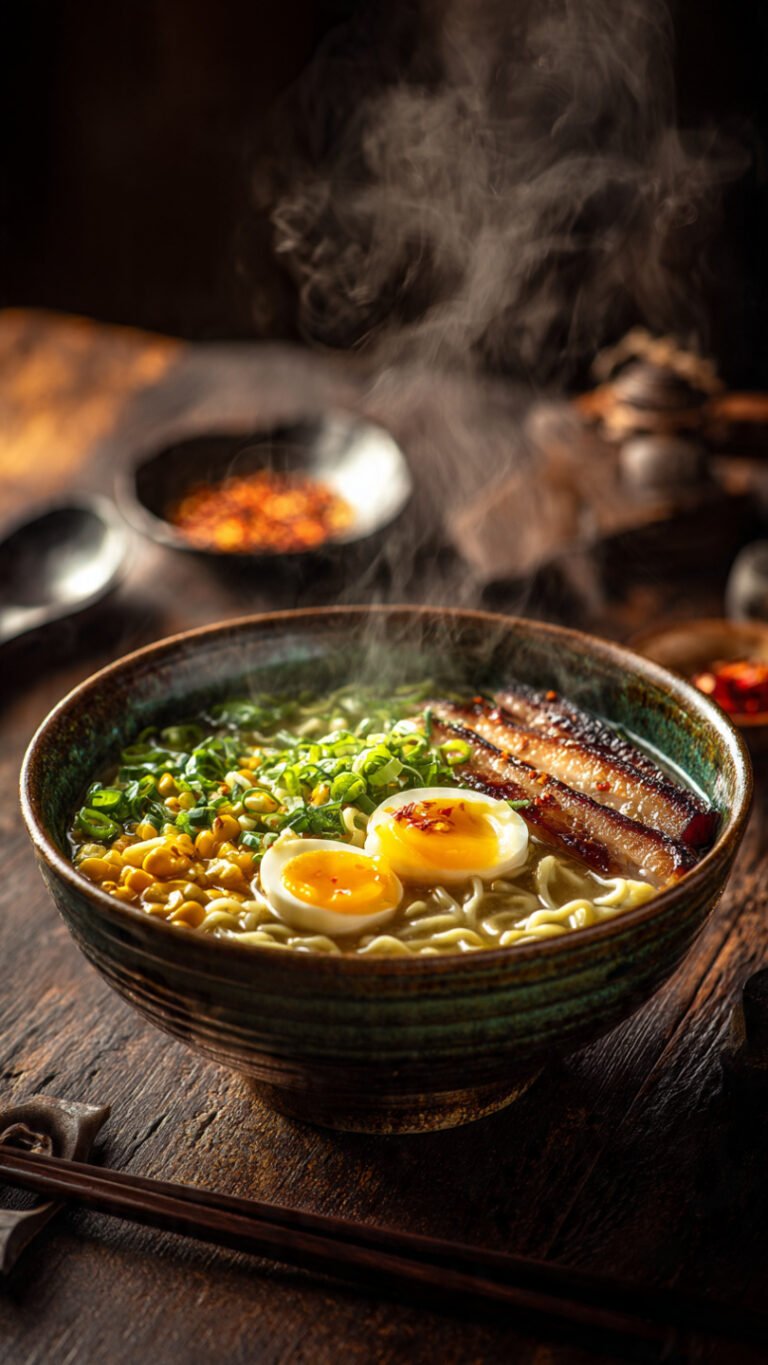
🍜 Spicy Veg Thukpa Recipe: 20-Min Comfort Food
So you’re craving something tasty but too lazy to spend forever in the kitchen, huh? Same.
Look, we’ve all been there. It’s cold outside (or the AC is just blasting too hard), and your soul is demanding something warm, slurpy, and carb-loaded. You could order takeout, but let’s be real—by the time it arrives, it’s lukewarm, and you’ve already eaten a bag of chips out of desperation.
Enter the Veg Thukpa Recipe.
If you haven’t met Thukpa yet, prepare to fall in love. It’s essentially a spicy, flavorful noodle soup that hails from the Himalayan regions—think Tibet, Nepal, and parts of India like Sikkim and Darjeeling. It’s the culinary equivalent of putting on fuzzy socks. It’s unpretentious, forgiving, and honestly, better than whatever $15 ramen bowl you were thinking about buying.
Let’s get cooking, shall we?

Why This Recipe is Awesome
Okay, I’m not just saying this because I wrote it, but this recipe is legit. Here is why you need this Veg Thukpa Recipe in your rotation immediately.
First off, it is the ultimate fridge clean-out meal. seriously. Got half a carrot that’s looking a little sad? A bell pepper that’s losing its will to live? A handful of spinach that’s about to turn into slime? Thukpa welcomes them all with open arms. It’s a judgment-free zone for vegetables.
Secondly, the flavor profile is insane. unlike a lot of clear noodle soups that rely on a slow-simmered bone broth that takes 12 hours (who has time for that?), Thukpa relies on a “tarka” or a spiced base. We are talking garlic, ginger, chilies, and garam masala frying together to create a flavor bomb that happens in minutes, not hours. It hits those spicy, savory, and tangy notes all at once.
And let’s talk about the science of comfort for a second. There is actual culinary psychology at play here. The combination of hot broth, capsaicin (from the chilies), and carbohydrates releases serotonin. It physically warms you up from the inside out. Plus, the specific spices we use—like turmeric and ginger—are anti-inflammatory powerhouses. So, technically, you aren’t just eating dinner; you are engaging in a wellness ritual. You’re welcome.
Finally, it’s idiot-proof. Even I didn’t mess it up the first time I made it, and I once burned toast while watching it toast. It’s a one-pot wonder (mostly) that comes together in under 30 minutes.
Ingredients You’ll Need
Here is your shopping list. Don’t panic; you probably have 90% of this stuff already.
- Noodles: The star of the show. You can use wheat noodles, egg noodles, or even spaghetti if you’re in a pinch (no judgment here). Udons work great too if you want a thicker chew.
- The Aromatics (The Holy Trinity):
- Garlic: Minced. Measure with your heart, not a spoon.
- Ginger: Freshly grated. Powder won’t cut it here, folks.
- Green Chilies: Slit or chopped. Adjust based on how brave you’re feeling.
- Onion: One medium, chopped. Red or yellow works.
- Tomato: Chopped. This adds a necessary tang and body to the soup.
- Vegetables: This is where you go wild. My favorites are:
- Carrots (julienned/matchsticks)
- Cabbage (shredded—this is non-negotiable for authentic texture)
- Bell Peppers (capsicum)
- Green Beans
- Mushrooms (optional, but adds great umami)
- Spices:
- Turmeric Powder: For that golden glow.
- Red Chili Powder: For the kick.
- Garam Masala: The magic dust that ties it all together.
- Cumin Powder: Just a pinch.
- Soy Sauce: Dark or light, adds the salt and savory depth.
- Vegetable Stock: You can use water, but stock makes it taste like you actually tried.
- Lemon Juice: The secret weapon to finish the dish.
- Cilantro (Coriander): To garnish and make it look pretty for Instagram.
Step-by-Step Instructions
Alright, apron on. Let’s do this.
1. Prep Your Station (Mise en Place) Before you even touch the stove, chop everything. Seriously. This recipe moves fast once the heat is on. You want your veggies sliced into thin strips (julienne) so they cook quickly and mingle nicely with the noodles. Nothing is worse than trying to eat soup and biting into a giant chunk of raw carrot. Make it dainty.
2. Boil the Noodles Grab a separate pot (I know, I said one-pot mostly). Boil your water, salt it like the ocean, and cook your noodles. Crucial Tip: Cook them to al dente (just a little bite left). They are going to sit in hot broth later, and if you fully cook them now, you will end up with noodle mush. Drain them, rinse with cold water to stop the cooking, and drizzle a tiny bit of oil so they don’t stick together into a giant noodle brick.
3. Start the Base Heat oil in a large pot or a wok over medium-high heat. Toss in your onions. You want to hear a sizzle immediately. If it doesn’t sizzle, your oil wasn’t hot enough, and you should feel mild shame. Sauté the onions until they are translucent and sweating.

4. Bloom the Aromatics Add the ginger, garlic, and green chilies. Stir this constantly for about 60 seconds. Smell that? That pungent, spicy aroma hitting your nose is the smell of a good dinner. We are “blooming” these aromatics to release their essential oils. Do not burn the garlic, or the whole dish will taste bitter.
5. Spice it Up Add your chopped tomatoes and a splash of salt. Cook this down until the tomatoes turn mushy and the oil starts to separate slightly from the masala. Now, lower the heat and toss in your turmeric, red chili powder, and cumin. Stir quickly. Cooking spices in fat (oil) rather than water makes the flavor significantly deeper and richer.
6. Veggie Party Crank the heat back up to high. Throw in your carrots, beans, and bell peppers. Stir-fry them for about 2 minutes. We want them to get coated in that spicy tomato base, but we do not want them soft. They should keep their crunch. Add the shredded cabbage last (it cooks the fastest).
7. Broth Time Pour in your vegetable stock (or water). Add the soy sauce. Bring this mixture to a rolling boil. Once it’s boiling, reduce the heat to a simmer. Let it bubble gently for about 5 to 7 minutes. This allows the flavors of the veggies and spices to seep into the liquid. Taste the broth. Does it need salt? More spice? Now is the time to adjust.
8. The Marriage Add your garam masala now. Adding it at the end preserves its aroma. Finally, squeeze in that lemon juice. This acid cuts through the spice and salt, brightening up the entire bowl. It’s the difference between a “meh” soup and a “wow” soup.
9. Assembly Place a portion of your cooked noodles into a bowl. Ladle the piping hot broth and veggies over the noodles. Don’t cook the noodles in the soup pot unless you plan on eating the entire pot immediately; otherwise, the noodles will drink all your broth while sitting in the fridge.
10. Garnish Top with fresh cilantro and maybe some chopped spring onions. Serve immediately while it’s steaming hot.
Common Mistakes to Avoid
Even though this is easy, there are traps. Don’t fall into them.
- The “Mushy Noodle” Tragedy: As mentioned, do not overcook your noodles during the boiling phase. They will continue to soften in the hot soup. If you start with soft noodles, you end up with baby food.
- The Bland Broth: Since this is a quick soup, people often under-season. If it tastes like hot water with floating vegetables, add more salt, more soy sauce, or a veggie bouillon cube. Don’t be shy.
- Veggie Murder: Do not boil the vegetables until they are gray and sad. Thukpa veggies should have a “snap” to them. It provides a necessary texture contrast to the soft noodles.
- Skipping the Acid: Leaving out the lemon juice or vinegar at the end is a rookie mistake. That hit of acid wakes up the palate. If you don’t have lemon, a splash of rice vinegar works wonders.
Alternatives & Substitutions
Cooking is an art, not a rigid set of laws. Feel free to remix this Veg Thukpa Recipe.
- Gluten-Free? No problem. Swap the wheat noodles for 100% Rice Noodles or Sob (Buckwheat) noodles. Just check your soy sauce (use Tamari instead).
- Protein Power: Want more heft? Cubes of fried Tofu or Paneer (Indian cottage cheese) are excellent additions. If you aren’t veg, shredded chicken or shrimp works, but hey, this is a veg post, so let’s keep it green.
- The “I have no broth” Panic: If you don’t have veggie stock, use water but double the garlic and onion, and maybe add a spoonful of MSG (yes, I said it, MSG is delicious and naturally occurring in tomatoes anyway) or a Maggi tastemaker packet if you have one lying around.
- Make it Creamy: This isn’t traditional, but a splash of coconut milk turns this into a “Khao Suey” style hybrid that is absolutely illegal in the Himalayas but delicious in your mouth.
FAQ (Frequently Asked Questions)
1. Can I make this ahead of time for meal prep? Yes, but keep them separated! Store the broth/veggie mixture in one container and the boiled noodles in another. If you mix them and put them in the fridge, the noodles will absorb all the liquid and you’ll have a spicy noodle casserole, not soup.
2. Is Thukpa supposed to be super spicy? Traditionally? It has a kick. Personally? I like it to clear my sinuses. But you control the heat! Skip the green chilies and reduce the red chili powder if you want a milder version. It still tastes great.
3. Can I use spaghetti noodles? Look, I won’t tell the Tibetan grandmas if you won’t. Yes, you can. Technically, spaghetti is just a dense wheat noodle. It works perfectly fine in a pinch.
4. What is the difference between Thukpa and Ramen? Great question. Ramen usually relies on a very complex, long-simmered broth and specific alkaline noodles. Thukpa is more rustic, relies heavily on a masala (spice mix) base rather than a bone/meat broth base, and usually has a heavy hit of ginger and cumin that you don’t find in Ramen.
5. Can I use frozen vegetables? FYI, frozen veggies are fine, but fresh is better for texture. If you use frozen mixed veg (peas, carrots, corn), just toss them in right at the end since they are already blanched.
6. Is this recipe healthy? IMO, yes! It’s loaded with hydration, vegetables, and anti-inflammatory spices. It’s low in fat (unless you go crazy with the oil). It’s definitely healthier than that pizza you were eyeing.

Final Thoughts
There you have it—the Veg Thukpa Recipe that is going to save your cold evenings and your hungry stomach. It’s warm, it’s spicy, and it feels like a hug.
Cooking doesn’t have to be perfect. The best food is the kind that makes you feel good, and this bowl does exactly that. So, stop doom-scrolling, get in the kitchen, and chop some garlic.
Now go impress someone—or yourself—with your new culinary skills. You’ve earned it!