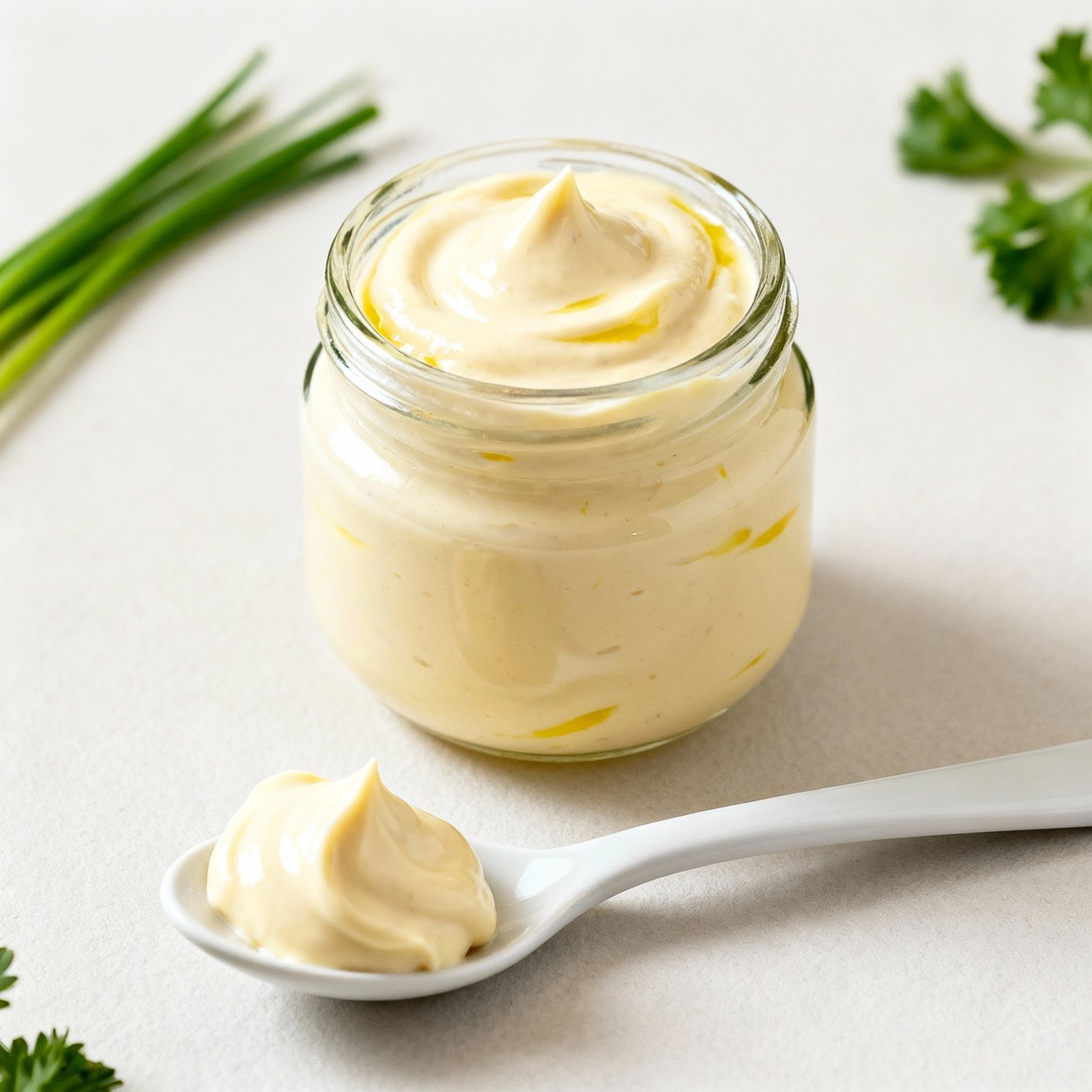
Vegan Mayonnaise Recipe: Creamy, Tangy Perfection in Minutes!
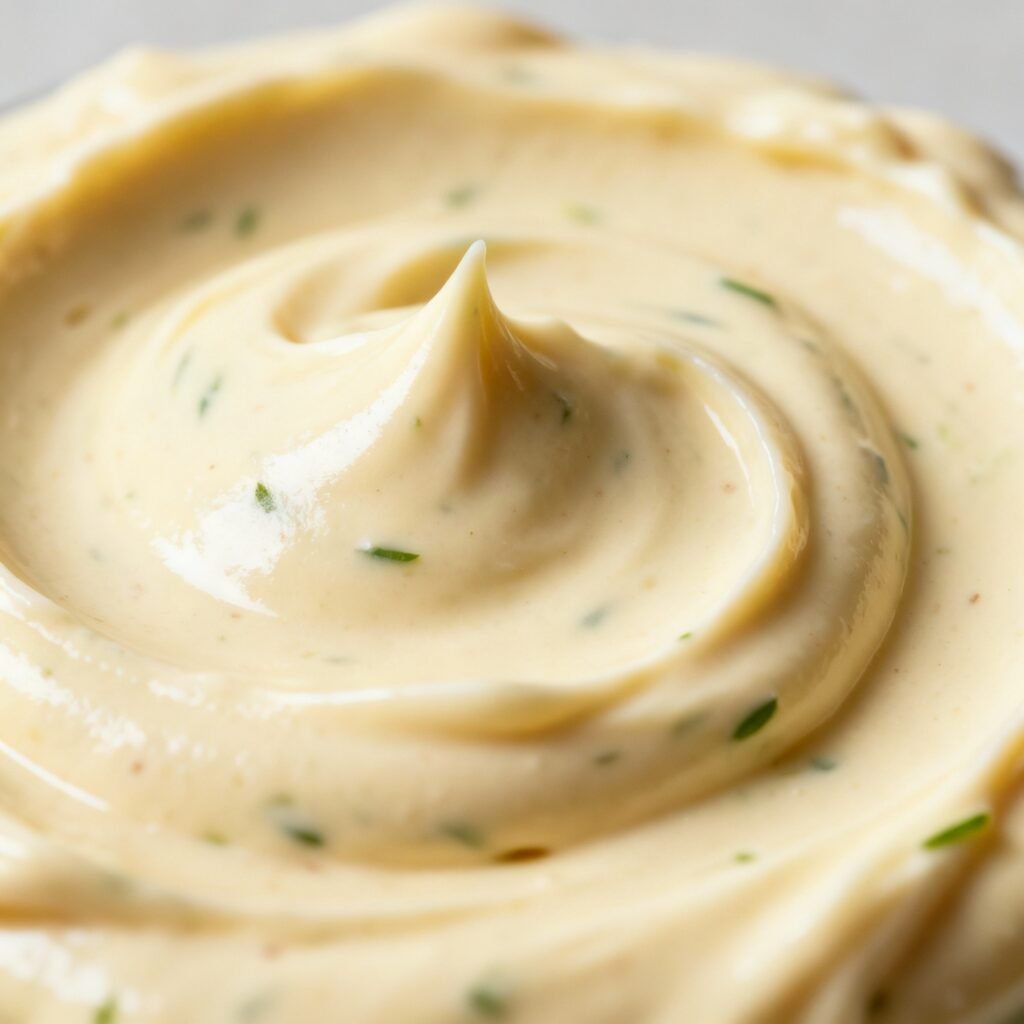
Craving a creamy, tangy mayonnaise without the eggs? Look no further! This vegan mayonnaise recipe is a game-changer. It’s incredibly easy to make, requires minimal ingredients, and tastes remarkably similar to traditional mayonnaise. Whether you’re vegan, have egg allergies, or simply looking for a healthier alternative, this recipe will become your new go-to for sandwiches, salads, dips, and more.
Why This Recipe Works
This recipe relies on the emulsifying power of plant-based milk and a touch of acidity to create a stable and creamy mayonnaise. Here’s why it works so well:
- Plant-Based Milk: Soy milk is the preferred choice for its neutral flavor and high protein content, which helps with emulsification. However, other unsweetened, unflavored plant-based milks like oat milk or cashew milk can also work, though the texture and flavor may vary slightly. Avoid rice milk as it tends to be too thin.
- Oil: A neutral-tasting oil like canola, sunflower, or avocado oil is crucial for achieving the classic mayonnaise flavor. Olive oil can be used, but it will impart a stronger, more distinct flavor that might not be desirable in all applications.
- Acid: Lemon juice or apple cider vinegar provides the necessary acidity to help emulsify the mixture and adds the signature tangy flavor of mayonnaise.
- Mustard: Dijon mustard not only adds flavor but also acts as an emulsifier, helping to bind the oil and milk together.
- Optional Additions: A pinch of salt and a touch of sugar enhance the overall flavor and balance the acidity.
Ingredients
- 1/2 cup unsweetened, unflavored soy milk (or other suitable plant-based milk)
- 1 cup neutral-tasting oil (canola, sunflower, or avocado oil)
- 1 tablespoon lemon juice or apple cider vinegar
- 1 teaspoon Dijon mustard
- 1/4 teaspoon salt, or to taste
- 1/4 teaspoon sugar (optional)
Instructions
- Combine Ingredients: In a tall, narrow container (like a mason jar or the container that came with your immersion blender), combine the soy milk, lemon juice (or apple cider vinegar), Dijon mustard, salt, and sugar (if using).
- Add Oil: Slowly pour the oil into the container on top of the other ingredients. It’s important not to mix at this stage.
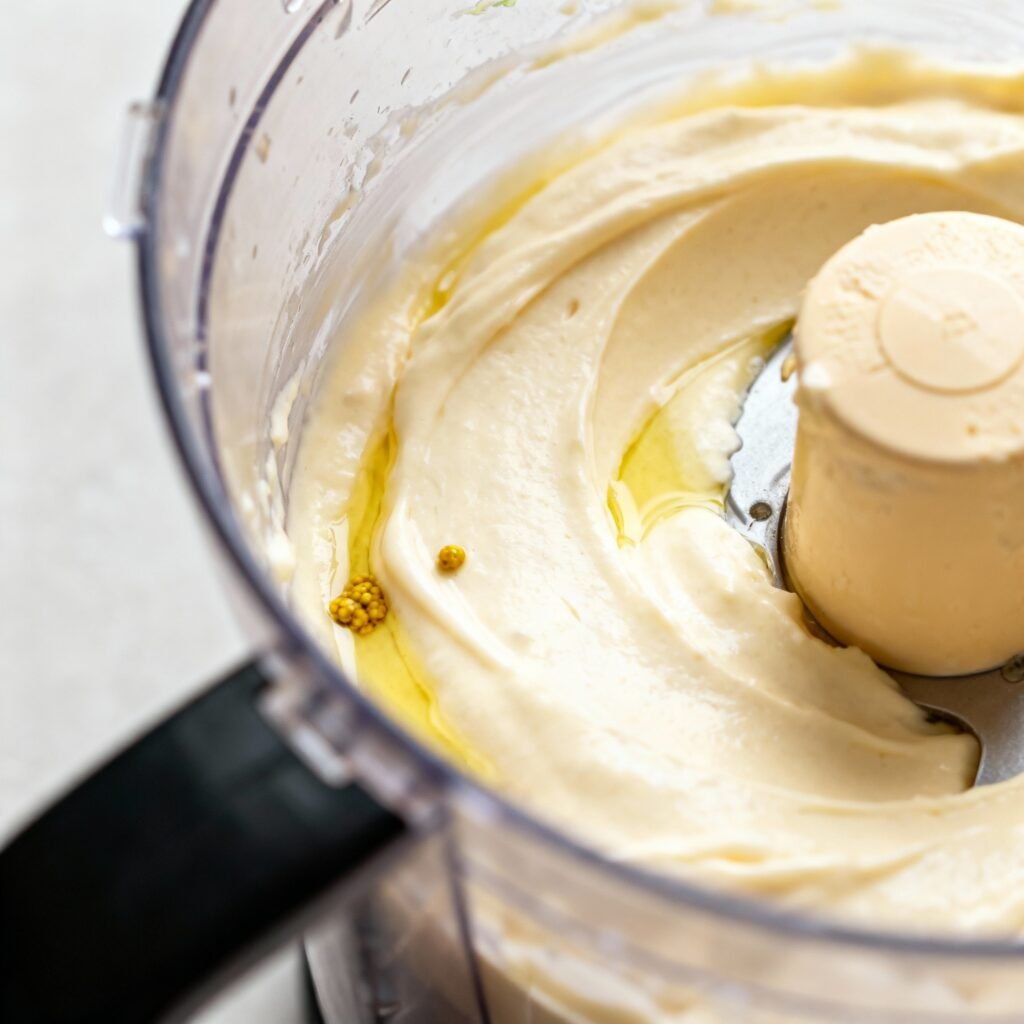
- Emulsify: Insert an immersion blender all the way to the bottom of the container. Turn the blender on and let it sit at the bottom for a few seconds until the mixture starts to emulsify.
- Blend Upward: Slowly and steadily move the immersion blender upwards, blending the oil into the milk mixture. Continue blending until the mayonnaise is thick and creamy. This should take about 30-60 seconds.
- Adjust Consistency: If the mayonnaise is too thick, add a teaspoon of plant-based milk at a time and blend until you reach the desired consistency. If it’s too thin, add a tablespoon of oil and blend again.
- Taste and Adjust Seasoning: Taste the mayonnaise and adjust the seasoning as needed. Add more salt, lemon juice, or mustard to your liking.
- Chill: Transfer the mayonnaise to an airtight container and refrigerate for at least 30 minutes to allow it to thicken further and for the flavors to meld.
Tips for Success
- Use Cold Ingredients: Cold plant-based milk and oil are essential for proper emulsification.
- Don’t Over-Blend: Over-blending can cause the mayonnaise to separate. Blend just until it’s thick and creamy.
- Slow and Steady Wins the Race: Pouring the oil too quickly can prevent emulsification. Take your time and pour it slowly and steadily.
- Immersion Blender is Key: While a regular blender can be used, an immersion blender is highly recommended for its efficiency and ease of use. If using a regular blender, start on the lowest speed and gradually increase it.
- Experiment with Flavors: Once you’ve mastered the basic recipe, feel free to experiment with different flavors. Try adding garlic powder, smoked paprika, herbs, or chili flakes.
- Troubleshooting: If your mayonnaise doesn’t emulsify, try adding a teaspoon of Dijon mustard or lemon juice and blending again. You can also try chilling the mixture for a few minutes before blending again.
Storage Instructions
Store the vegan mayonnaise in an airtight container in the refrigerator for up to 5-7 days. Because it doesn’t contain preservatives like commercially produced mayonnaise, it will not last as long. Be sure to check for any signs of spoilage before using, such as a sour smell or change in texture.
FAQ
Q: Can I use olive oil?
A: Yes, you can use olive oil, but it will impart a strong flavor to the mayonnaise. For a more neutral flavor, use canola, sunflower, or avocado oil.
Q: Can I use a regular blender instead of an immersion blender?
A: Yes, but it can be trickier. Start with the blender on the lowest speed and gradually increase it. You may need to scrape down the sides of the blender occasionally.
Q: My mayonnaise is too thin. What can I do?
A: Add a tablespoon of oil and blend again. You can also chill the mayonnaise in the refrigerator for a few minutes to help it thicken.
Q: My mayonnaise is too thick. What can I do?
A: Add a teaspoon of plant-based milk at a time and blend until you reach the desired consistency.
Q: Can I freeze vegan mayonnaise?
A: Freezing is not recommended as it can alter the texture and cause the mayonnaise to separate.
Q: What can I use this vegan mayonnaise for?
A: Use it just like regular mayonnaise! It’s great on sandwiches, burgers, in salads (potato salad, coleslaw), as a dip for fries or vegetables, or as a base for sauces and dressings.
Conclusion
This vegan mayonnaise recipe is a simple, delicious, and versatile alternative to traditional mayonnaise. With just a few ingredients and a few minutes of your time, you can create a creamy, tangy condiment that’s perfect for all your culinary needs. So ditch the eggs and embrace the deliciousness of this plant-based mayonnaise. Enjoy!