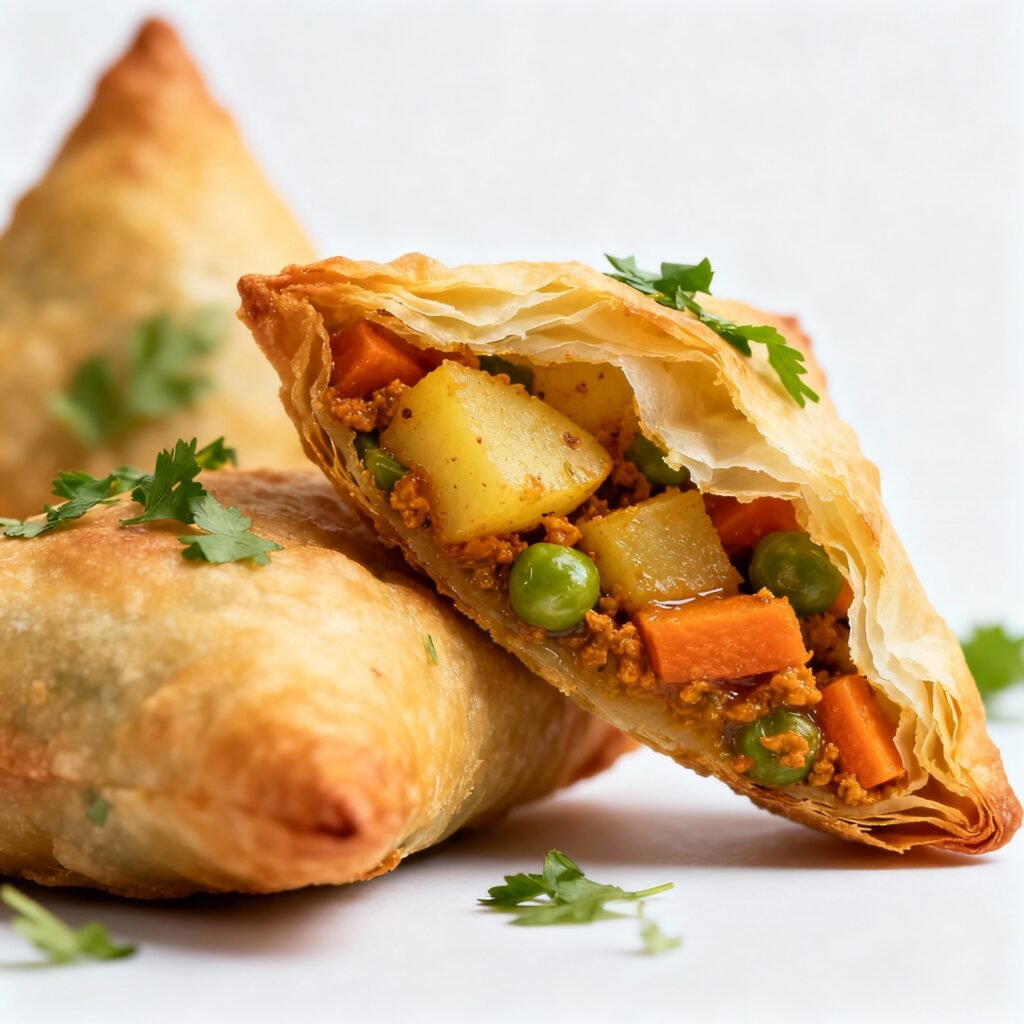
Vegetable Samosa Recipe: Crispy, Flavorful, and Surprisingly Easy!
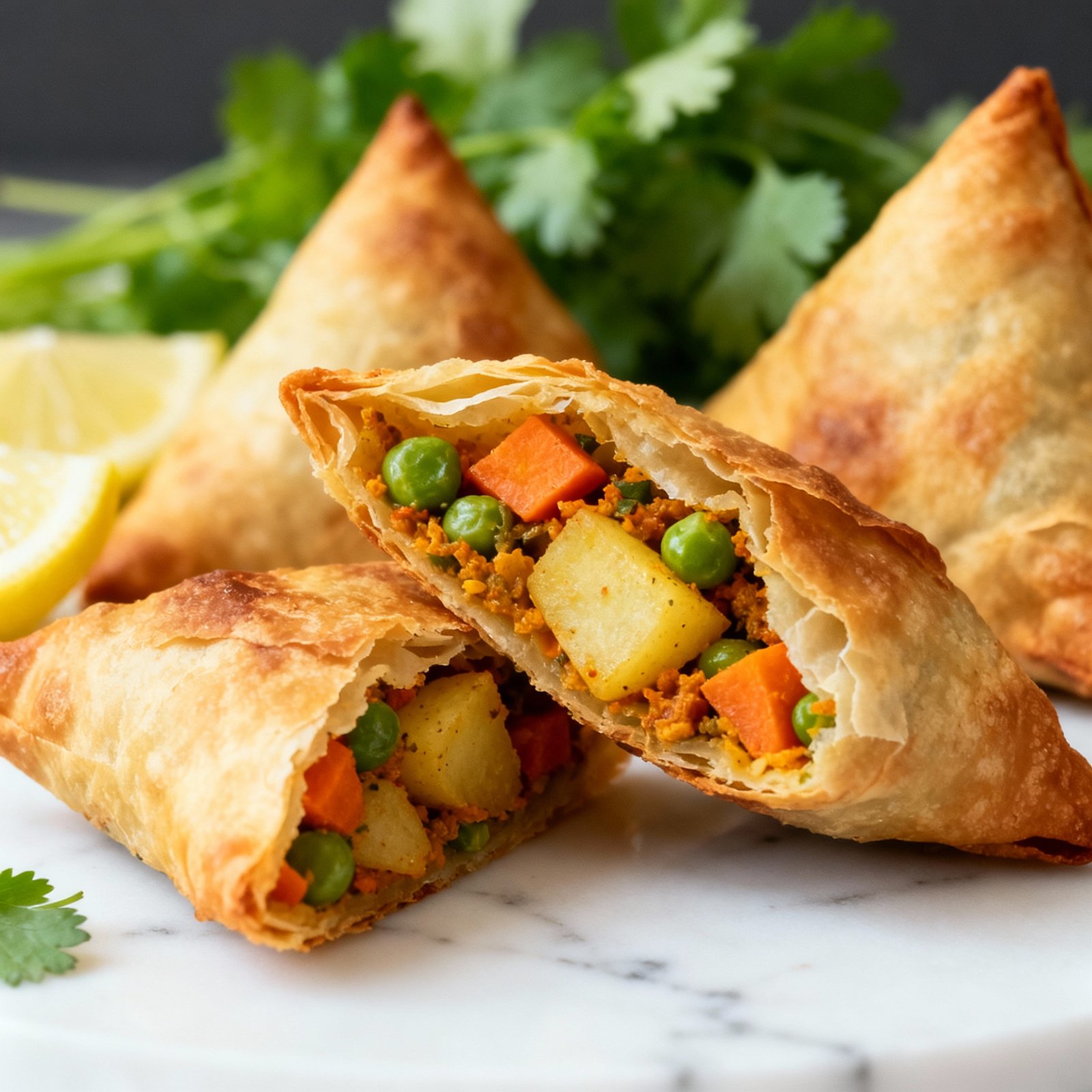
Craving that perfect, golden-brown samosa bursting with spiced vegetables? Look no further! This vegetable samosa recipe delivers authentic flavor and satisfying crunch without the fuss. Many people shy away from making samosas at home, thinking they’re too complicated. But with this detailed guide, you’ll be enjoying homemade samosas, fresh from your kitchen, in no time. Get ready to impress your friends and family with these delectable treats!
Why This Recipe Works
This recipe is designed for success, even for beginner cooks. Here’s why it works:
- Detailed Instructions: Each step is clearly explained with helpful tips to guide you through the process.
- Balanced Spices: The spice blend is carefully crafted to create a complex and aromatic flavor profile that’s not too overpowering.
- Versatile Filling: The vegetable filling is customizable! Feel free to add or substitute vegetables based on your preferences and what you have on hand.
- Crispy Crust: We’ll show you the secrets to achieving a perfectly crispy and flaky crust that holds its shape during frying.
- Make-Ahead Options: The filling and dough can be prepared in advance, making samosa assembly a breeze.
Ingredients
For the Dough:
- 2 cups all-purpose flour
- 1/4 teaspoon salt
- 4 tablespoons vegetable oil (or ghee, for a richer flavor)
- 1/2 cup cold water (or more, as needed)
For the Filling:
- 2 tablespoons vegetable oil
- 1 teaspoon cumin seeds
- 1/2 teaspoon mustard seeds
- 1/2 teaspoon asafoetida (hing) – optional, but adds a unique flavor
- 1 inch ginger, grated
- 2 green chilies, finely chopped (adjust to your spice preference)
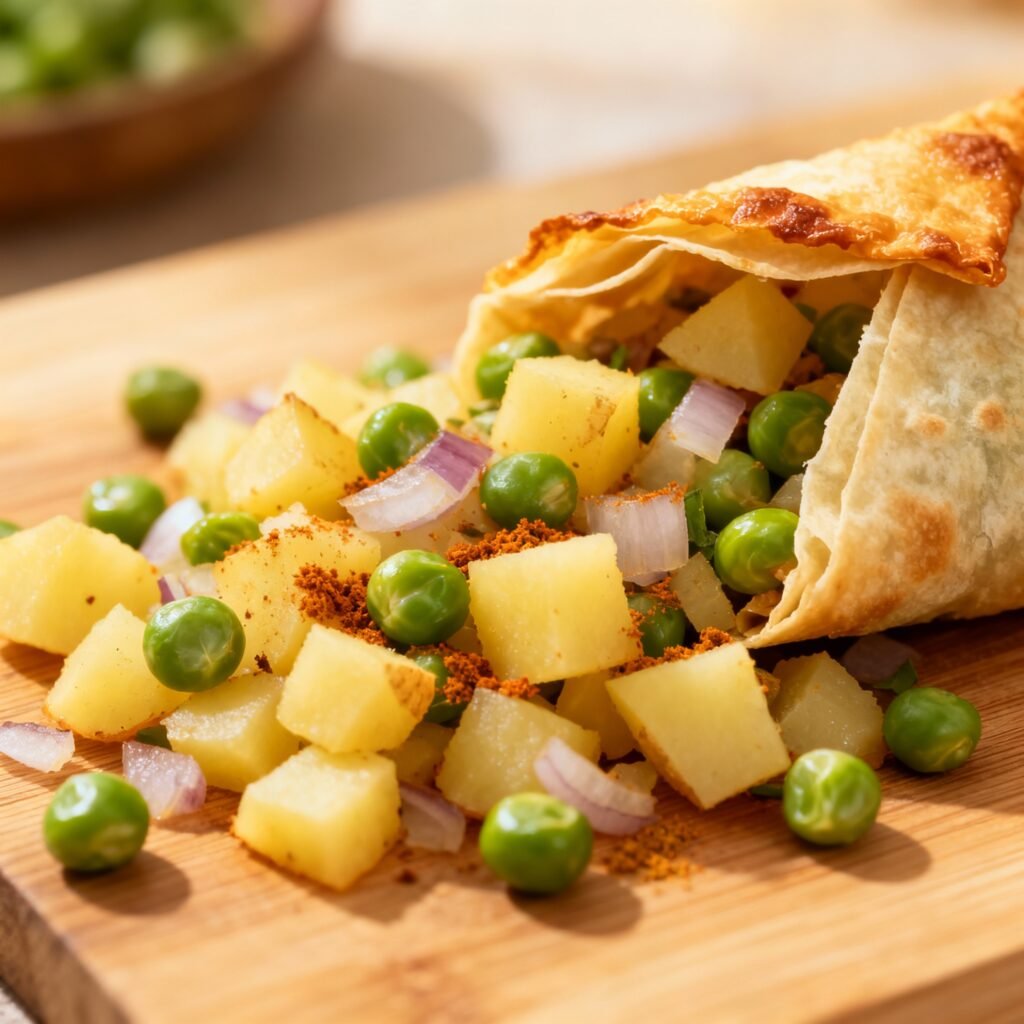
- 1 cup potatoes, boiled, peeled, and diced
- 1/2 cup green peas, fresh or frozen
- 1/2 cup carrots, diced
- 1/4 cup cauliflower florets, finely chopped
- 1/2 teaspoon turmeric powder
- 1 teaspoon coriander powder
- 1/2 teaspoon garam masala
- 1/4 teaspoon red chili powder (optional, for extra heat)
- 1/2 teaspoon amchur powder (dry mango powder) – adds a tangy flavor
- Salt to taste
- 2 tablespoons chopped cilantro
- Vegetable oil, for deep frying
Instructions
- Prepare the Dough: In a large bowl, combine the flour and salt. Add the oil and rub it into the flour with your fingertips until the mixture resembles coarse crumbs.
- Add Water Gradually: Slowly add the cold water, a little at a time, and mix until a firm, non-sticky dough forms. Knead the dough for 5-7 minutes until smooth and elastic.
- Rest the Dough: Cover the dough with a damp cloth or plastic wrap and let it rest for at least 30 minutes (or up to an hour). This allows the gluten to relax, making the dough easier to roll.
- Prepare the Filling: Heat the oil in a large pan or wok over medium heat. Add the cumin seeds and mustard seeds. Let them splutter for a few seconds.
- Add Aromatics: Add the asafoetida (if using), ginger, and green chilies. Sauté for about a minute until fragrant.
- Add Vegetables: Add the potatoes, peas, carrots, and cauliflower. Sauté for 5-7 minutes, stirring occasionally, until the vegetables are slightly softened.
- Add Spices: Add the turmeric powder, coriander powder, garam masala, red chili powder (if using), amchur powder, and salt. Mix well to coat the vegetables with the spices.
- Cook the Filling: Cook for another 5-7 minutes, stirring occasionally, until the vegetables are cooked through and the spices are well blended.
- Finish the Filling: Stir in the chopped cilantro. Taste and adjust the seasoning as needed. Let the filling cool completely before assembling the samosas.
- Divide the Dough: Divide the dough into small, equal-sized balls (about 1-inch in diameter).
- Roll Out the Dough: On a lightly floured surface, roll out each dough ball into a thin, oval-shaped disc (about 4-5 inches long).
- Cut and Shape: Cut the oval disc in half lengthwise. Take one half and form a cone shape by overlapping the straight edges. Seal the edges tightly with a little water.
- Fill the Cone: Fill the cone with about 1-2 tablespoons of the cooled vegetable filling.
- Seal the Samosa: Seal the open end of the cone tightly with a little water, ensuring there are no gaps. The samosa should be triangular in shape.
- Repeat: Repeat steps 11-15 with the remaining dough and filling.
- Fry the Samosas: Heat vegetable oil in a deep frying pan or wok over medium heat. The oil should be hot enough to fry the samosas without burning them, but not so hot that they brown too quickly.
- Fry in Batches: Gently drop the samosas into the hot oil, a few at a time, making sure not to overcrowd the pan.
- Fry Until Golden Brown: Fry the samosas for 8-10 minutes, turning them occasionally, until they are golden brown and crispy on all sides.
- Drain and Serve: Remove the samosas from the oil with a slotted spoon and place them on a paper towel-lined plate to drain excess oil.
- Serve Hot: Serve the vegetable samosas hot with your favorite chutney, such as mint chutney, tamarind chutney, or coriander chutney.
Tips for Success
- Don’t Overfill: Overfilling the samosas can cause them to burst open during frying.
- Seal Tightly: Make sure to seal the edges of the samosas tightly to prevent the filling from leaking out.
- Control the Oil Temperature: Maintaining the correct oil temperature is crucial for achieving crispy samosas. If the oil is too hot, the samosas will brown quickly on the outside but remain uncooked on the inside. If the oil is not hot enough, the samosas will absorb too much oil and become soggy.
- Fry in Batches: Avoid overcrowding the pan when frying. This will lower the oil temperature and result in soggy samosas.
- Make-Ahead Option: The dough and filling can be prepared a day in advance and stored separately in the refrigerator. Assemble and fry the samosas just before serving.
- Freezing Option: Uncooked samosas can be frozen for later use. Arrange the samosas in a single layer on a baking sheet and freeze until solid. Then, transfer them to a freezer bag or container. Fry the frozen samosas directly from the freezer, adding a few minutes to the cooking time.
Storage Instructions
Cooked Samosas: Store leftover cooked samosas in an airtight container in the refrigerator for up to 2-3 days. Reheat them in the oven or air fryer for the best results.
Uncooked Samosas: As mentioned above, uncooked samosas can be frozen for later use. Make sure they are properly sealed to prevent freezer burn.
FAQ
Can I use different vegetables?
Absolutely! Feel free to experiment with different vegetables based on your preferences. Some other good options include peas, corn, beans, and spinach.
Can I make these samosas gluten-free?
Yes, you can substitute the all-purpose flour with a gluten-free flour blend. Make sure to use a blend that is designed for baking and has xanthan gum added.
Can I bake these samosas instead of frying them?
Yes, you can bake the samosas for a healthier option. Preheat your oven to 375°F (190°C). Brush the samosas with oil and bake for 20-25 minutes, or until golden brown, flipping halfway through.
What kind of chutney goes best with samosas?
Mint chutney, tamarind chutney, and coriander chutney are all popular choices. You can also try a sweet mango chutney or a spicy garlic chutney.
Conclusion
Now you have all the knowledge you need to create delicious, homemade vegetable samosas! With a little practice, you’ll be whipping up these savory snacks like a pro. Don’t be afraid to experiment with different spices and vegetables to create your own unique flavor combinations. Enjoy the process and savor the delightful taste of freshly made samosas!