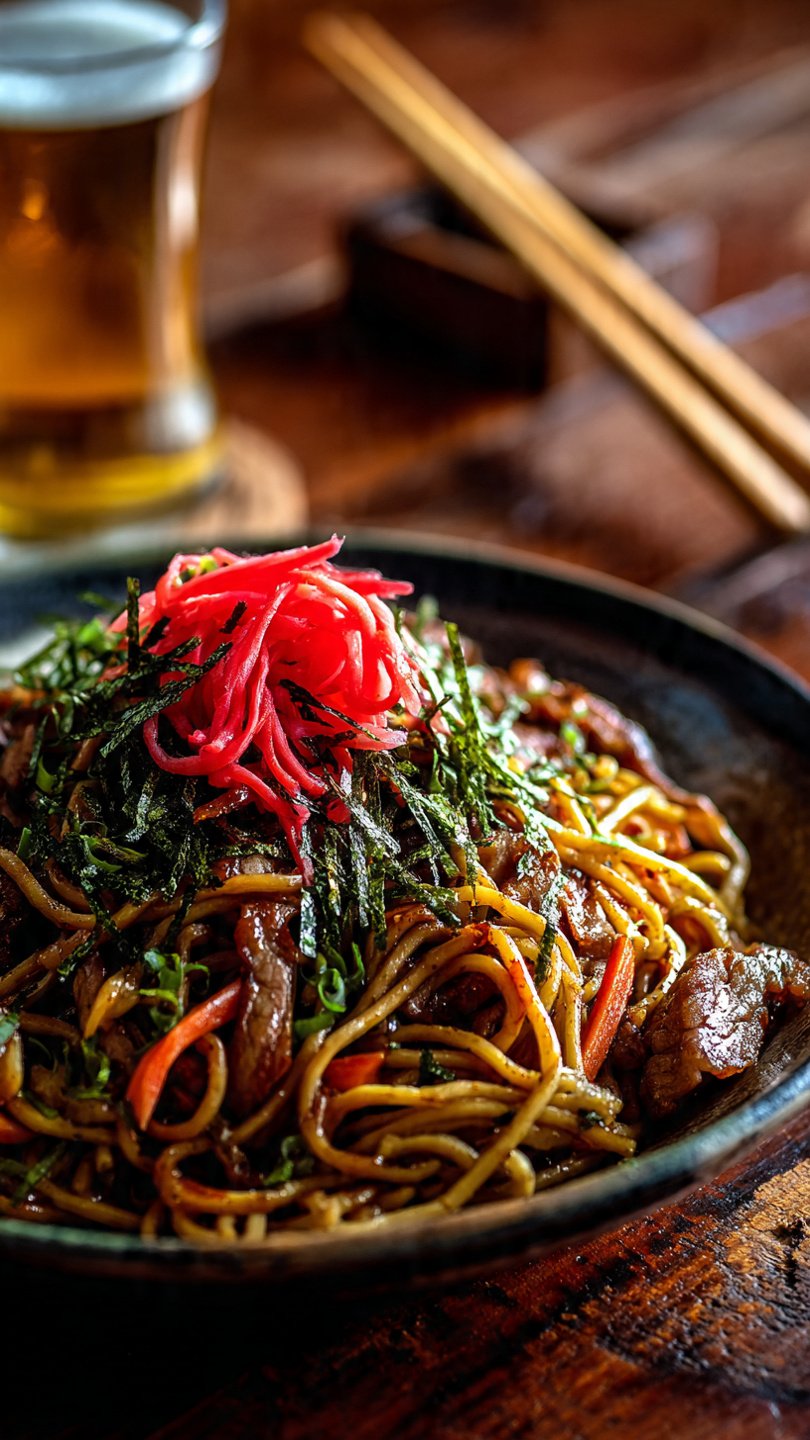
🍜 The Best Yakisoba Noodles Recipe
So, you’re currently staring into your fridge, craving something salty, savory, and carb-heavy, but you possess exactly zero motivation to spend three hours cooking a gourmet meal. Same. I get it. We’ve all been there—you want that Japanese street food vibe, but you’re currently wearing sweatpants and the idea of leaving the house is physically painful.
Well, buckle up, buttercup. We are about to make the absolute best Yakisoba Noodles Recipe known to mankind (or at least, known to my kitchen). This isn’t just “fried noodles.” This is a spiritual experience involving tangy sauce, crisp veggies, and chewy noodles that will make you question why you ever ordered delivery in the first place. Put down the phone, grab a skillet, and let’s get weird with some carbohydrates.
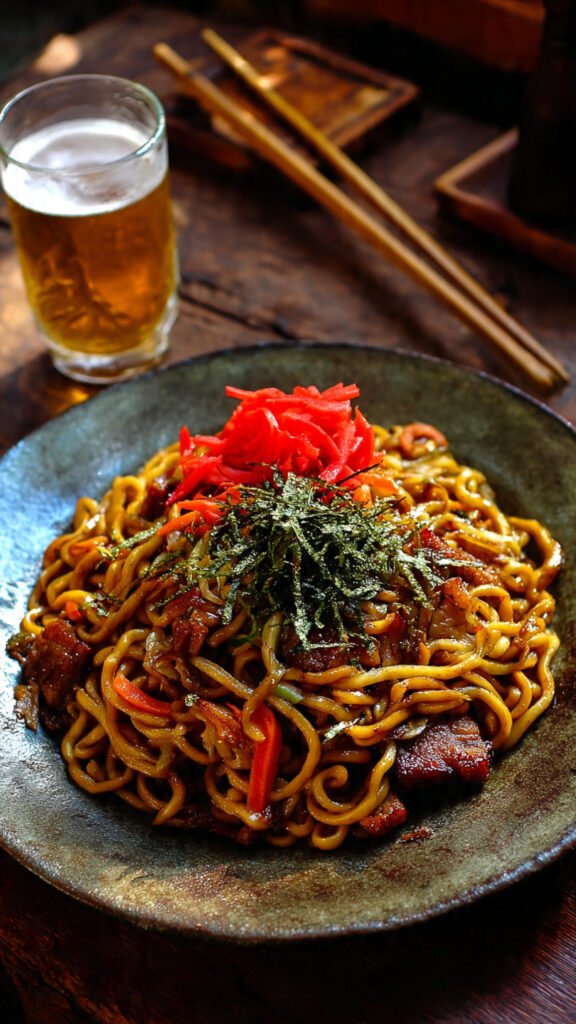
Why This Recipe is Awesome
Look, I don’t use the word “life-changing” lightly—mostly because I save that for finding a $20 bill in an old coat pocket—but this recipe is pretty close. Here is exactly why this yakisoba noodles recipe is going to be your new weeknight obsession.
1. The Sauce is Boss: Most people think Yakisoba is just soy sauce and noodles. False. It’s actually based on Worcestershire sauce (I know, I can’t pronounce it either), oyster sauce, and ketchup. Yes, ketchup. Stop judging me. When these ingredients combine, they create a sweet, tangy, umami bomb that coats every single noodle in a glossy hug of flavor. It hits every part of your palate: salty, sweet, sour, and savory. It’s the kind of sauce you’ll want to bottle and sell on the black market.
2. It’s the Ultimate Fridge Clean-Out: Let’s be real for a second. We all have that half-head of cabbage rotting in the crisper drawer and a lone carrot that looks like it’s given up on life. Yakisoba is the culinary equivalent of a rescue mission. It embraces whatever veggies you have. Cabbage? Throw it in. Onions? Mandatory. Mushrooms? Why not. It turns “garbage day” ingredients into a masterpiece.
3. Speed (Because We’re Hungry NOW): From chopping the first onion to slurping the first noodle, we are talking about 20 to 30 minutes, tops. If you are speedy with a knife, maybe even 15. That is faster than waiting for the delivery guy to get lost finding your apartment complex.
4. The Texture Trifecta: A good Yakisoba isn’t a mushy mess. It’s a study in contrasts. You have the chewy bite of the noodles, the crunch of the cabbage and onions, and the crispy bits of pork belly. It’s not just food; it’s sensory entertainment for your mouth.
Ingredients You’ll Need
Here is your shopping list. Don’t panic, you probably have half of this stuff already.
The Core Crew:
- Yakisoba Noodles (Mushi Chukamen): These are steamed wheat noodles. You can find them in the refrigerated section of Asian markets (and many regular grocery stores now). Pro Tip: If you buy the packs that come with the seasoning powder, throw the powder in the trash. We are making our own sauce because we have standards.
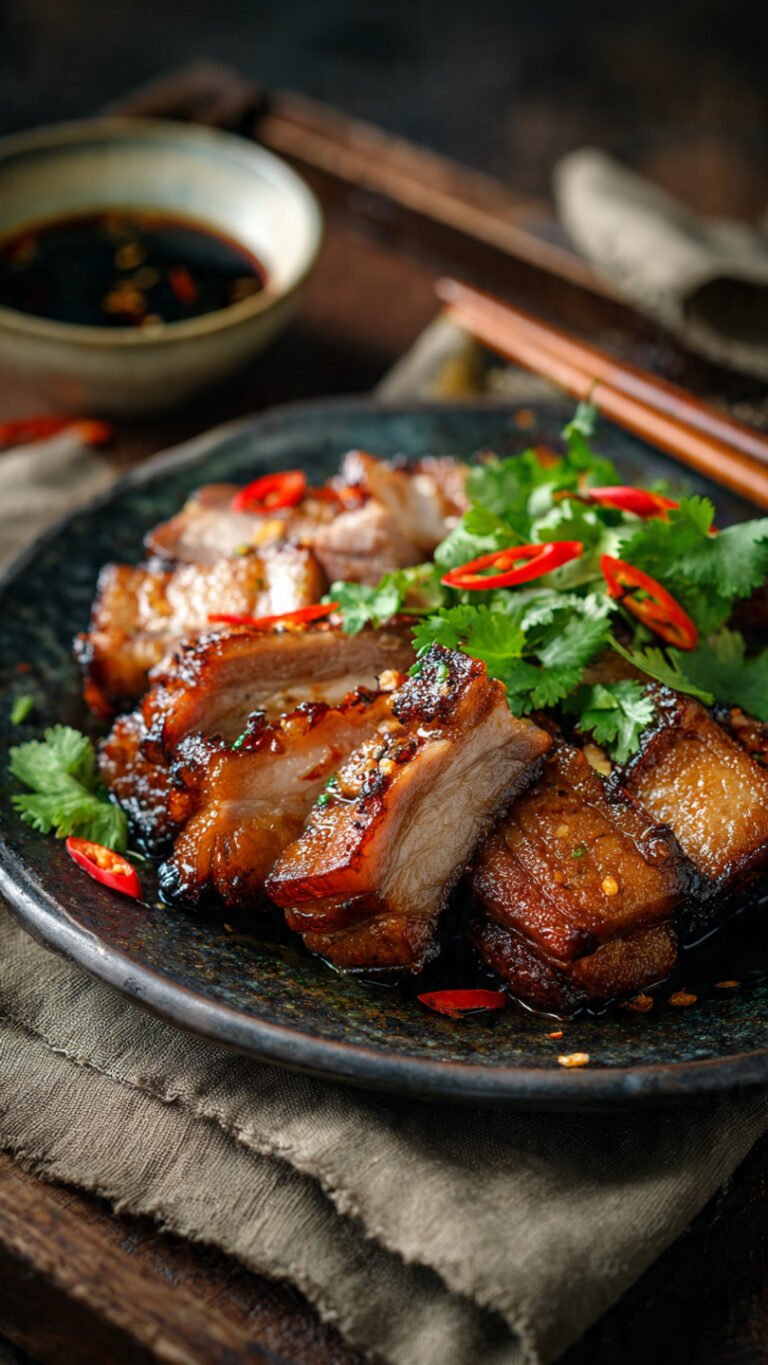
- Pork Belly (or Thinly Sliced Pork): You want fat here. Fat equals flavor. If you use a lean pork loin, it might get dry. Pork belly renders down and fries the noodles in its own delicious grease.
- Cabbage: Green cabbage is the king here. You need roughly chopped, bite-sized pieces. It provides the essential crunch.
- Onion & Carrot: Sliced thin. Julienne those carrots so they cook fast.
- Scallions (Green Onions): For that fresh, oniony bite at the end.
The “Secret Sauce” (Combine in a small bowl):
- Worcestershire Sauce: 4 Tablespoons. The backbone of the dish.
- Oyster Sauce: 4 Teaspoons. For that deep, ocean-y umami richness.
- Ketchup: 4 Teaspoons. Adds sweetness and body. Trust the process.
- Soy Sauce: 2 Teaspoons. Just a little kick of saltiness.
- Sugar: 1 Teaspoon. To balance the acidity.
The “Fancy” Toppings (Optional but Highly Recommended):
- Aonori (Dried Green Seaweed Flakes): It looks like green dust, tastes like the ocean, and makes you look like a pro chef.
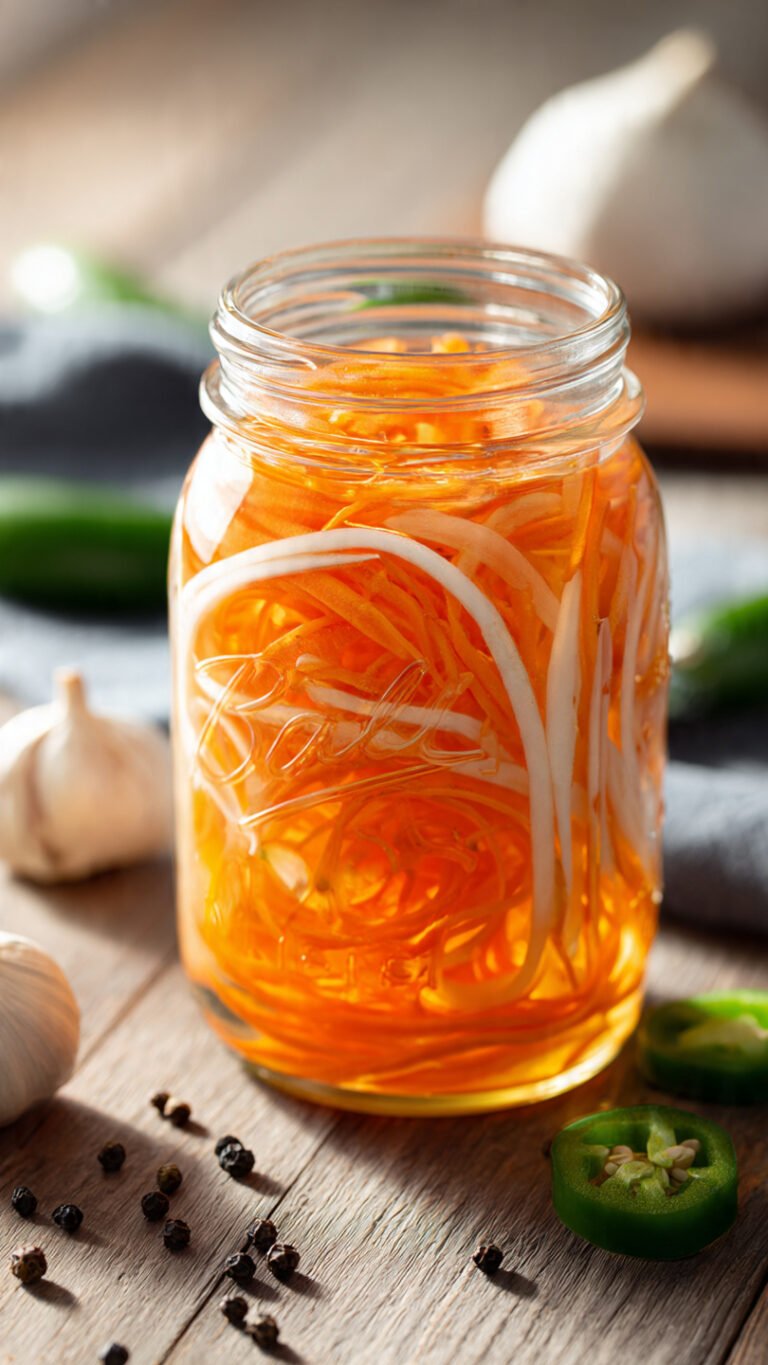
- Beni Shoga (Pickled Red Ginger): This is the bright red stuff. It cuts through the grease like a samurai sword. Essential for the full experience.
- Katsuobushi (Bonito Flakes): The weird fish flakes that dance when they hit the hot food.
Step-by-Step Instructions
Alright, apron on. Let’s do this. Read this through once before you start fire-bending, okay?
1. Prep Like a Boss (Mise en Place)
Cooking stir-fry is fast. If you stop to chop a carrot while the pork is cooking, you will burn the pork. Don’t be that person.
- Slice your pork belly into bite-sized strips.
- Cut the cabbage into 1-inch squares.
- Slice onions and carrots into thin strips.
- Mix your sauce: In a small bowl, whisk the Worcestershire, oyster sauce, ketchup, soy sauce, and sugar until the sugar dissolves. Give it a taste. It should taste strong—remember, it has to flavor a pound of bland noodles.
2. Loosen Up
Those noodles usually come in a tight, vacuum-sealed brick. If you throw them straight into the pan, they will break into sad little confetti pieces.
- The Trick: Run the noodle packs under warm water (while still in the bag) or poke a hole in the bag and microwave for 30 seconds. This warms them up so they separate easily later.
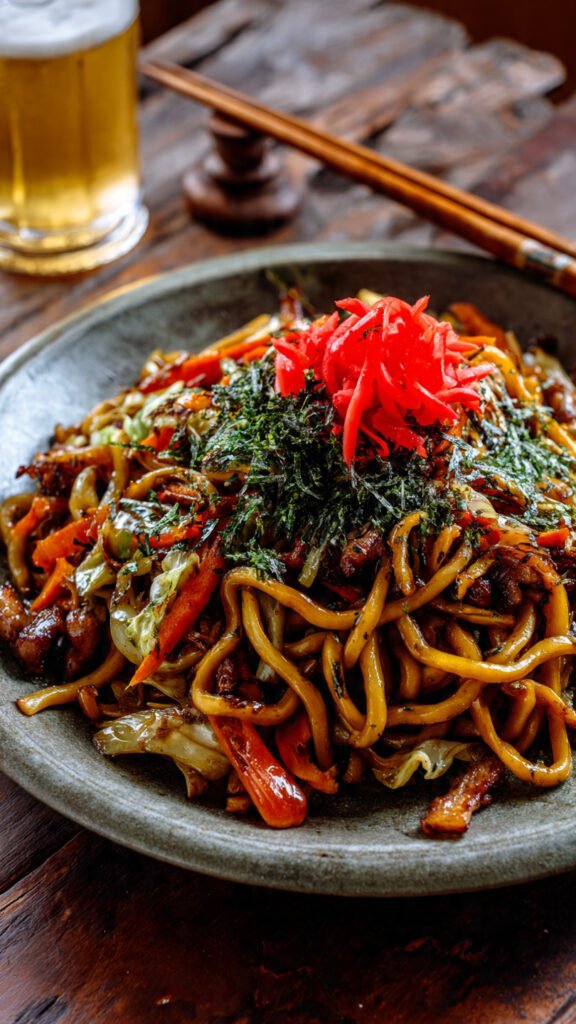
3. Sizzle the Pork
Heat a large wok or skillet over medium-high heat. Add a tiny splash of oil (unless your pork is super fatty).
- Throw in the pork belly. Spread it out. Let it sit for a minute to get that gorgeous brown sear. We want the Maillard reaction (science talk for “tasty browning”), not steamed gray meat.
- Cook until the pork is golden and crispy on the edges. The smell should be intoxicating.
4. Veggie Attack
Add the onions and carrots to the pork grease. Toss them around for about 2 minutes until the onions start to turn translucent.
- Add the cabbage last. It cooks faster and releases water. We want it to wilt but stay crunchy. Stir-fry for another minute or two.
- Season lightly: hit the veggies with a tiny pinch of black pepper.
5. Noodle Time
Add the noodles to the pan on top of the veggies.
- The Steam Hack: If the noodles look stiff, pour about 2 tablespoons of water (or sake, if you’re fancy) over the noodles and quickly cover the pan with a lid. Steam for 1 minute.
- Remove the lid. Use tongs to gently separate the noodles and toss them with the meat and veggies. Get everything introduced to each other.
6. The Sauce glaze
Pour that beautiful dark sauce all over the noodles.
- Crank the heat. We want to caramelize the sauce, not boil the noodles in it.
- Toss everything vigorously. The sauce should bubble and thicken, coating every strand in a glossy, brown sheen. Listen for the sound—it should go from a “steaming” sound to a “frying” sizzle. That’s the sound of flavor happening.
- Cook for another 1-2 minutes until the sauce is reduced and sticky.
7. The Garnish Game
Turn off the heat. Plate the noodles immediately.
- Sprinkle generously with Aonori (green seaweed).
- Top with a pile of Beni Shoga (red ginger).
- Watch the Bonito flakes dance if you’re using them.
Common Mistakes to Avoid
Even smart people make bad noodles. Don’t let these happen to you.
- Crowding the Pan: If you try to cook enough Yakisoba for a football team in a tiny skillet, you aren’t frying; you’re steaming. The result is a soggy, sad mess. Cook in batches if you have a small pan.
- Overcooking the Veggies: Nobody likes mushy cabbage. It’s gross. Keep the veggies crisp. They will continue to cook a little bit even after you take them off the heat (residual heat is real, folks).
- Using Spaghetti: Look, I’m not the food police, but pasta is not yakisoba. Pasta is made from durum wheat and has a different density. If you absolutely must, boil the spaghetti with baking soda to mimic the alkalinity of ramen noodles, but honestly… just go buy the right noodles.
- Forgetting the Ginger: You might think, “Eh, it’s just a garnish.” Wrong. The pickled ginger provides the acid needed to cut the richness of the pork and sweet sauce. Without it, the dish can feel too heavy.
Alternatives & Substitutions
Cooking is jazz, baby. Improvise.
- Vegetarian/Vegan: Ditch the pork. Use firm tofu, shiitake mushrooms, or just extra veggies. For the sauce, swap the oyster sauce for a vegetarian mushroom oyster sauce (it exists and it’s delicious).
- Gluten-Free: This is tricky because wheat noodles are the star. However, you can use 100% buckwheat noodles (soba) or brown rice ramen noodles. Just make sure your soy sauce is Tamari and your Worcestershire is GF.
- Protein Swaps: Chicken thighs work great (slice them thin). Shrimp is also a vibe—just add them later in the cooking process so they don’t turn into rubber bullets. Ground pork is also an authentic and cheap option!
- Spicy Version: Add a teaspoon of Doubanjiang (spicy bean paste) or just drizzle Sriracha over the final product. TBH, spicy mayo on top is a game-changer.
FAQ (Frequently Asked Questions)
1. Can I use instant ramen noodles for this? You bet. Boil the brick of ramen (ditch the flavor packet), drain it well, and rinse with cold water to stop the cooking. Then toss it in the pan. It’s softer than real yakisoba noodles, but it works in a pinch. We call that “struggle meal chic.”
2. Is this healthy? Define “healthy.” Is it a kale smoothie? No. But it’s got carrots, onions, and cabbage, so technically you’re eating a salad mixed with noodles. Let’s go with “good for the soul.”
3. Do I need a wok? Need? No. Want? Yes. A wok distributes heat better for stir-frying, but a large non-stick skillet or cast iron pan works perfectly fine. Just make sure it’s wide enough so you can toss the food without throwing it all over your stove.
4. Can I freeze Yakisoba? Technically yes, but the cabbage gets weird and watery when thawed. It’s best eaten fresh. If you must meal prep, undercook the veggies slightly so they survive the reheat.
5. Why is my Yakisoba soggy? You probably added too much water when steaming, or you didn’t cook off the sauce enough. High heat is your friend at the end!
6. What if I can’t find Yakisoba sauce ingredients? You can buy pre-made “Otafuku” Yakisoba sauce at Asian markets. It’s the gold standard. But honestly, the homemade blend above is just as good.
7. Can I use purple cabbage? Sure, if you want your noodles to turn a weird blue-ish purple color. The taste is the same, but the aesthetics might look like a science experiment gone wrong. Stick to green for the classic look.
Final Thoughts
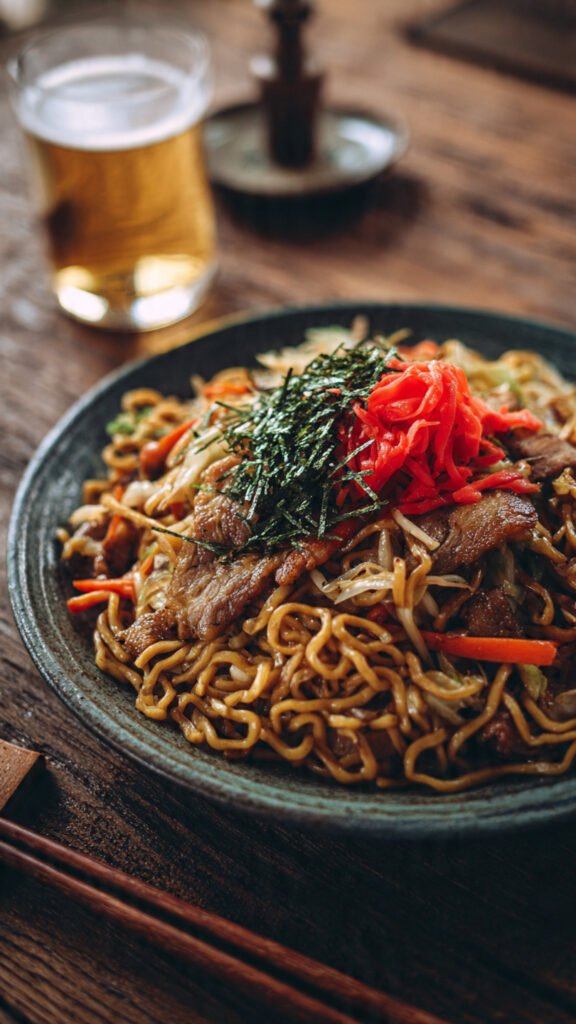
There you have it. The holy grail of lazy-but-delicious cooking. You have successfully navigated the world of Japanese street food without leaving your kitchen or putting on real pants.
This yakisoba noodles recipe is more than just dinner; it’s a tool in your arsenal against boring meals. It’s savory, it’s sweet, and it’s undeniably comforting. Now go impress someone—or yourself—with your new culinary skills. You’ve earned it! (And seriously, don’t skimp on the pickled ginger).
Happy slurping! 🍜